Introduction
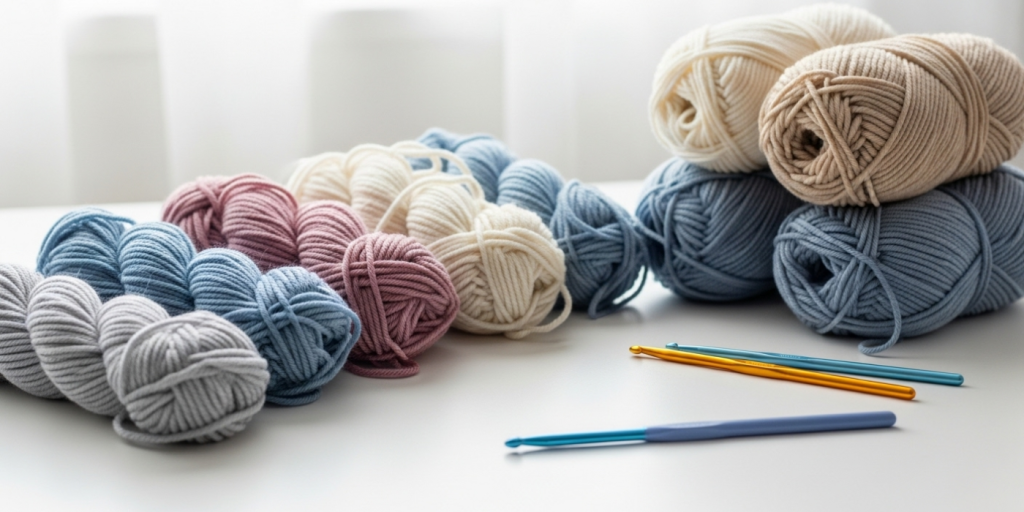
When you first pick up a crochet hook, the world of yarn can feel overwhelming. Shelves brim with colorful skeins labeled with cryptic numbers, symbols, and fiber content that seem to speak a language all their own. Yet, understanding yarn types and weights is not just a technical detail—it’s the very foundation upon which every successful crochet project is built. For beginners, choosing the wrong yarn can mean frustration, wasted time, and projects that don’t turn out as expected. But when you grasp how yarn weight affects stitch definition, drape, and gauge—and how fiber content influences warmth, durability, and care—you unlock creative freedom and confidence.
In many crochet businesses I’ve consulted for, the most common customer complaint isn’t about pattern complexity—it’s mismatched yarn choices. A beginner uses bulky acrylic for a delicate lace shawl, or selects cotton for a baby blanket without considering its lack of stretch. These missteps stem from a gap in foundational knowledge. This guide bridges that gap. Whether you’re crafting your first dishcloth or dreaming of launching a handmade brand, mastering yarn selection empowers you to create pieces that are not only beautiful but also functional and marketable. Let’s unravel the mystery together—strand by strand.
What This Topic Means for Crochet & Knitting Businesses
For artisans running crochet or knitting businesses, understanding yarn types and weights isn’t optional—it’s a core operational skill. Product consistency, customer satisfaction, and even pricing strategy hinge on this knowledge. Imagine selling a hand-crocheted market bag made with a lightweight cotton blend, only for a customer to return it because they substituted worsted-weight acrylic at home and ended up with a floppy, oversized tote. Clear communication about recommended yarns prevents such issues.
From working with multiple crochet brands, I’ve seen firsthand how detailed yarn guidance in patterns boosts sales and reduces support queries. Customers trust sellers who demonstrate expertise—not just in stitching, but in material science. Moreover, sourcing the right yarn impacts your bottom line. Buying in bulk? Knowing fiber properties helps you negotiate better with suppliers and avoid dead stock. For instance, bamboo blends may be trendy, but they pill easily under friction—unsuitable for high-wear items like slippers. Conversely, merino wool’s elasticity makes it ideal for fitted garments, justifying a premium price point.
Educational content around yarn also builds authority. A blog post explaining why DK weight works best for baby booties positions you as a knowledgeable creator, not just a vendor. In today’s handmade economy, consumers crave transparency. They want to know why you chose alpaca over acrylic for that winter scarf. When your business speaks the language of yarn fluently, you earn loyalty beyond transactions.
Why This Strategy Works Especially Well in the Crochet Community
The crochet community thrives on sharing, learning, and problem-solving—making yarn education a natural fit. Unlike mass-produced fashion, handmade items carry stories: the maker’s intention, the material’s origin, the hours invested. Understanding yarn types and weights deepens that narrative. When a beginner learns that linen softens with every wash or that superwash wool won’t felt in the machine, they connect more meaningfully with their craft.
Experienced designers often recommend starting new crocheters with worsted-weight acrylic because it’s affordable, forgiving, and widely available. But as skills grow, so does curiosity about natural fibers, ethical sourcing, and texture play. Online forums buzz with questions like, “Can I substitute fingering weight for sport weight?” or “Why does my cotton sweater stretch out?” Addressing these through clear, practical guidance fosters engagement.
Moreover, social media algorithms favor educational content. A Reel showing the drape difference between lace-weight silk and chunky chenille garners saves and shares because it solves real problems. In my collaborations with indie dyers and yarn shops, posts demystifying the Craft Yarn Council’s standard weight system consistently outperform promotional content. The community doesn’t just want products—they want empowerment. And nothing empowers like knowing exactly which yarn will bring your vision to life.
Materials, Tools, or Resources Needed
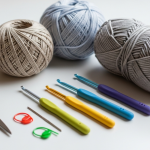
Before diving into yarn selection, gather these essential tools to make informed decisions:
- Yarn Wraps or Swatch Cards: Small cardboard or plastic tools with notches to measure wraps per inch (WPI), helping identify unknown yarn weights.
- Crochet Hooks in Multiple Sizes: A set ranging from 2.0mm (steel hooks for thread) to 15mm (for jumbo yarns) allows you to test different tensions.
- Ruler or Gauge Measuring Tool: Critical for checking stitch and row gauge against pattern requirements.
- Notebook or Digital App: Track yarn details—brand, fiber, weight, hook size used, and project outcome—for future reference.
- Access to the Standard Yarn Weight System Chart: Published by the Craft Yarn Council, this free resource defines categories from Lace (0) to Jumbo (7).
- Fiber Content Labels: Always keep original yarn bands; they contain washing instructions, dye lot numbers, and yardage.
Don’t overlook tactile experience. Visit local yarn stores (LYS) to touch and compare fibers. Online retailers like WEBS, Jimmy Beans Wool, or LoveCrafts offer detailed specs, but nothing replaces feeling the heft of a skein or testing its elasticity between your fingers. Many LYS also host “yarn tasting” events where beginners sample swatches—highly recommended if available.
Yarn Types and Fiber Considerations
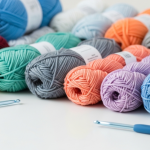
Yarn isn’t just categorized by weight—it’s defined by its fiber content, which dramatically affects performance, care, and aesthetics. Here’s a breakdown of common fibers and their implications for beginners:
Natural Fibers
- Cotton: Breathable, absorbent, and strong—ideal for dishcloths, summer tops, and baby items. However, it lacks elasticity, so garments may stretch over time. Mercerized cotton has a silky sheen and smoother texture.
- Wool: Warm, elastic, and resilient. Great for hats, sweaters, and blankets. Note: Some wools (like non-superwash) felt when agitated in hot water. Merino is softer and less itchy than traditional wool.
- Alpaca: Softer and warmer than wool, with a beautiful drape. Often blended with wool for structure. Can be heavy, so best for accessories rather than large garments.
- Linen/Rayon from Bamboo: Linen is crisp and gets softer with washing; bamboo is silky and drapes well. Both are eco-friendly but can split easily during crocheting—use a blunt-tipped hook.
Synthetic Fibers
- Acrylic: Affordable, durable, and machine-washable. Excellent for beginners due to its consistent texture and wide color range. Downsides include pilling and poor breathability.
- Nylon: Often blended with other fibers to add strength (e.g., in sock yarns). Not typically used alone for crochet.
- Polyester: Adds sheen and durability but can feel plasticky. Common in novelty yarns.
Blends
Most commercial yarns are blends (e.g., 80% acrylic/20% wool). These combine benefits—acrylic’s affordability with wool’s warmth—but always check care labels. A 50/50 cotton/acrylic blend offers cotton’s absorbency with acrylic’s shape retention.
From working with multiple crochet brands, I’ve learned that fiber choice directly impacts product longevity. A market bag in 100% cotton may sag after repeated use, while one in cotton/polyester holds its structure. Always consider the end-use: Is it decorative? Functional? Worn close to skin? Answering these guides your fiber selection.
Skill Level Breakdown
Beginner
Focus on worsted-weight (Category 4) yarns in smooth, light-colored acrylic or cotton. Why?
- Medium weight shows stitches clearly.
- Smooth texture prevents snagging.
- Light colors make it easier to see your work.
Avoid fuzzy, slippery, or very thin yarns—they hide mistakes and frustrate new learners.
Intermediate
Experiment with DK (Category 3), bulky (Category 5), and simple blends. Try cotton for structured items (tote bags) or wool for cozy wearables. Start reading yarn labels critically: note yardage per skein, recommended hook size, and care symbols.
Advanced
Master lace-weight (Category 0), fingering (Category 1), and luxury fibers like silk or cashmere. Understand how fiber behavior affects blocking—wool responds beautifully to wet blocking, while acrylic requires steam. Advanced crocheters also learn to substitute yarns confidently using WPI and gauge swatches.
Regardless of level, always make a gauge swatch. Even experienced designers swear by this step—it’s the difference between a perfect fit and a too-tight hat.
Step-by-Step Guide to Choosing and Using Yarn
Follow this detailed process to select and work with yarn effectively:
Step 1: Decode the Label
Every yarn band includes:
- Weight Category Number (0–7)
- Recommended Hook Size
- Yardage/Meterage
- Fiber Content
- Care Instructions
- Dye Lot (crucial for color consistency)
Example: A label reading “Worsted, #4, 100% Acrylic, 200 yds, Hook H-8 (5.0mm)” tells you everything needed to start.
Step 2: Match Yarn to Project Type
- Amigurumi: Use tight-gauge worsted or DK with small hooks (E-4 to G-6) for firm, stuffing-proof fabric.
- Blankets: Bulky or super bulky yarns speed up large projects; cotton blends offer breathability.
- Garments: Choose fibers with drape (bamboo, linen) and elasticity (wool, nylon blends).
- Home Decor: Durability matters—opt for acrylic or cotton that withstands frequent washing.
Step 3: Check Gauge
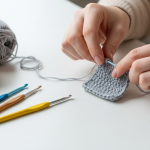
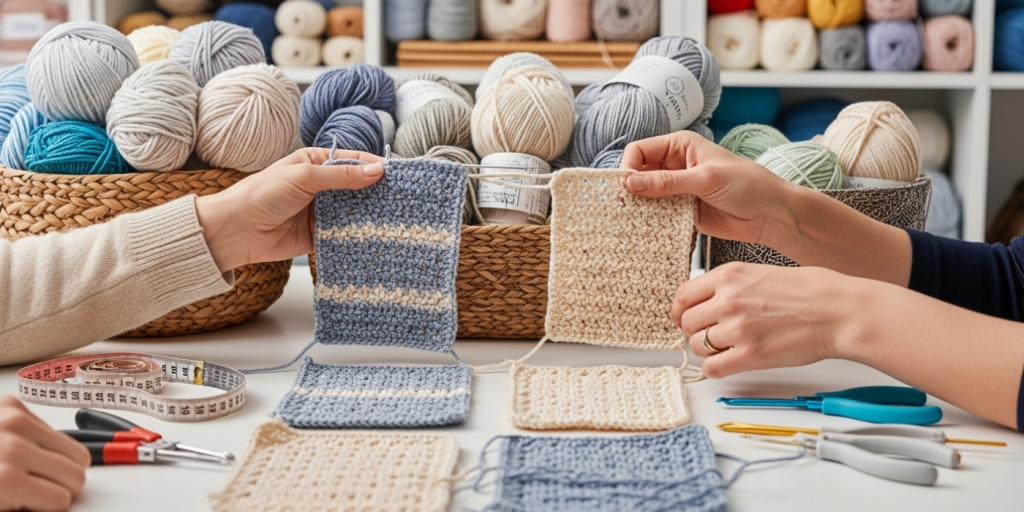
Crochet a 4″x4″ swatch using the recommended hook. Count stitches and rows per inch. If your swatch is too big, switch to a smaller hook; too small, go larger. Never skip this—even “gaugeless” patterns assume standard tension.
Step 4: Test Drape and Texture
Hold your swatch vertically. Does it flow softly (good for shawls) or stand stiffly (good for baskets)? Rub it between fingers—does it feel scratchy or smooth against skin?
Step 5: Plan Yardage
Patterns list required yardage. Calculate total skeins needed:
Total yards required ÷ yards per skein = number of skeins (round up!).
Always buy an extra skein—dye lots vary, and running out mid-project is heartbreaking.
Step 6: Care Test (Optional but Smart)
Wash a small swatch as you would the finished item. Does it shrink? Bleed color? Become limp? Better to discover this now than after 20 hours of work.
This methodical approach eliminates guesswork and builds confidence with every project.
Common Mistakes and How to Avoid Them
Even seasoned crocheters slip up with yarn selection. Here are frequent pitfalls—and solutions:
Mistake 1: Ignoring Fiber Behavior
Using 100% cotton for a fitted sweater without accounting for its lack of stretch leads to sagging.
Fix: Blend cotton with 10–20% elastane or choose a looser fit.
Mistake 2: Substituting Without Swatching
Swapping worsted for bulky “because it’s what I have” results in a comically oversized hat.
Fix: Always swatch. If gauge matches, substitution works—even across weights.
Mistake 3: Overlooking Dye Lots
Buying three skeins of “Ocean Blue” from different dye lots creates visible stripes.
Fix: Buy all skeins at once, and check lot numbers match before starting.
Mistake 4: Choosing Novelty Yarns Too Soon
Eyelash or bouclé yarns obscure stitch definition, making it hard to count or fix errors.
Fix: Reserve novelty yarns for simple stitch patterns (single crochet, double crochet) once you’re confident.
Mistake 5: Misreading Yardage
Assuming two skeins of different brands with “200 yards” are equal ignores fiber density. A 200-yard wool skein weighs more than acrylic—meaning less actual length.
Fix: Compare grams per meter or use a kitchen scale to verify.
In many crochet businesses, returns spike during holiday seasons due to rushed yarn choices. Taking 10 extra minutes to verify compatibility saves hours of rework.
Advanced Tips and Professional Insights
Go beyond basics with these pro strategies:
Master the Wrap Test
No label? Determine yarn weight by wrapping it snugly around a ruler for 1 inch. Count wraps:
- 16+ wraps = Lace (0)
- 12–15 = Fingering (1)
- 11–12 = Sport (2)
- 9–11 = DK (3)
- 8–9 = Worsted (4)
- 7–8 = Bulky (5)
- 5–6 = Super Bulky (6)
- <5 = Jumbo (7)
Understand Ply vs. Weight
Ply (strands twisted together) doesn’t equal weight. A 4-ply yarn can be fingering or worsted—always rely on the weight number, not ply count.
Leverage Fiber Blends Strategically
- Add 5–10% nylon to socks for durability.
- Blend alpaca with wool to reduce weight and add bounce.
- Use acrylic cores with cotton wraps for strength in market bags.
Source Ethically
From working with sustainable brands, I’ve seen demand surge for GOTS-certified organic cotton or RWS (Responsible Wool Standard) yarns. Highlighting ethical sourcing in your product descriptions attracts conscious consumers.
Pre-Wash Yarn for Garments
Natural fibers like wool or cotton can shrink. Washing skeins before crocheting ensures your finished garment won’t distort later. Wind into hanks, tie loosely, and hand-wash gently.
Experienced designers often recommend keeping a “yarn library”—a binder with swatches, labels, and notes. It becomes an invaluable reference for future projects and client consultations.
Real-World or Hypothetical Examples
Consider Sarah, a beginner who wanted to crochet a baby blanket. She grabbed a bargain bin super bulky acrylic labeled “#6.” Her result? A stiff, heavy blanket that felt more like a rug than a cozy wrap. After learning about yarn weights, she switched to a Category 3 DK cotton/acrylic blend. The new version was lightweight, breathable, and passed the “snuggle test” with flying colors.
Or take Marco, who launched an Etsy shop selling crochet plant hangers. His first batch used mercerized cotton—beautiful but prone to stretching under pot weight. Sales dipped due to complaints. He reformulated with a cotton/polyester blend, added internal reinforcement chains, and saw returns drop by 90%. His product photos now include close-ups of the yarn label, building trust.
In another case, a designer creating a lace shawl pattern specified “fingering weight silk blend.” A customer substituted worsted acrylic, then left a 1-star review saying the shawl “looked nothing like the photo.” The designer updated her listing with a bold disclaimer: “Yarn substitution drastically alters drape and appearance—stick to recommended fibers for best results.” Negative reviews vanished.
These examples underscore a truth: yarn choice isn’t aesthetic—it’s functional engineering.
Customization and Adaptation Ideas
Once you understand yarn fundamentals, customization becomes second nature:
- Colorwork: Use variegated yarns for self-striping effects without changing skeins. Solid colors highlight intricate stitches.
- Texture Play: Combine smooth and bumpy yarns in the same project (e.g., cotton body with eyelash trim).
- Seasonal Swaps: Make the same sweater pattern in wool for winter and linen for summer.
- Eco-Tweaks: Replace acrylic with recycled cotton or Tencel™ for sustainability points.
- Size Adjustments: Need a quicker blanket? Hold two strands of DK together to mimic worsted weight.
For businesses, offering “yarn kits” with pre-matched fibers and hooks simplifies the customer journey. Include a QR code linking to a video tutorial on why those materials were chosen—this adds immense perceived value.
Care, Maintenance, or Best Practices
Proper yarn care extends your creations’ life:
- Wool/Alpaca: Hand-wash in cold water with mild detergent. Lay flat to dry—never wring or hang.
- Cotton/Linen: Machine-washable but may shrink. Wash in cold, tumble dry low.
- Acrylic: Resilient but pills. Turn garments inside out before washing; use a gentle cycle.
- Silk/Bamboo: Hand-wash only. Avoid direct sunlight when drying to prevent fading.
Store unused yarn in breathable cotton bags away from moths (for natural fibers) or humidity. Never store in plastic—it traps moisture and causes mildew.
Always follow the care symbol on the label. When in doubt, treat it gently. A well-cared-for crocheted heirloom can last generations.
Monetization Opportunities
Deep yarn knowledge opens revenue streams beyond finished goods:
- Pattern Design: Create patterns specifying exact yarns, with affiliate links to retailers.
- Workshops: Teach “Yarn 101” classes online or at local craft stores.
- Consulting: Advise indie dyers on fiber blending or help small shops curate beginner-friendly selections.
- Content Creation: Write SEO-optimized blog posts (like this one!) to drive ad revenue via Google AdSense.
- Subscription Boxes: Curate monthly yarn kits with educational cards explaining fiber properties.
Educational monetization builds authority without hard selling. For example, a YouTube tutorial on “Why Your Cotton Sweater Stretches” naturally leads viewers to your recommended yarns—no pushy ads needed.
Frequently Asked Questions (FAQ)
What is the easiest yarn weight for beginners?
Worsted weight (Category 4) is ideal. It’s thick enough to see stitches clearly but not so bulky that projects become heavy quickly. Smooth acrylic or cotton in light colors is most beginner-friendly.
Can I substitute yarn weights in a pattern?
Yes, but only if your gauge matches. Always crochet a swatch first. Substituting without checking gauge leads to ill-fitting or misshapen projects.
What’s the difference between yarn weight and ply?
Yarn weight refers to thickness (standardized by the Craft Yarn Council). Ply refers to the number of strands twisted together. A 4-ply yarn can be any weight—don’t rely on ply for substitution.
How do I know what hook size to use?
Check the yarn label for the recommended hook size. Then, make a gauge swatch. Adjust hook size up or down until your stitches match the pattern’s gauge.
Why does my cotton project stretch out?
Cotton lacks natural elasticity. To prevent stretching, choose a tighter gauge, add a synthetic blend (like polyester), or reinforce high-stress areas with lining.
What yarn is best for amigurumi?
Use worsted or DK weight in a smooth, non-fuzzy fiber like acrylic or cotton. Smaller hooks (E-4 to G-6) create tight stitches that hide stuffing.
Conclusion
Understanding yarn types and weights transforms crochet from a frustrating trial-and-error hobby into a precise, joyful craft. It’s the quiet skill behind every perfectly draped shawl, every snug-fitting hat, every market bag that holds its shape after months of use. For beginners, this knowledge builds confidence; for entrepreneurs, it’s the bedrock of quality and customer trust.
As you move forward, remember: yarn is more than thread—it’s potential. Each skein holds the promise of warmth, beauty, and utility, waiting for your hands to give it form. Take the time to learn its language. Read the labels, swatch relentlessly, and respect the unique personality of every fiber. In doing so, you honor both your craft and the people who will cherish what you create.
So grab that hook, choose your yarn with intention, and stitch with purpose. The perfect project starts not with the first loop, but with the right strand.

Helena Nogueira é uma entusiasta do crochê e do artesanato, explorando novas técnicas e projetos em busca de criações únicas e cheias de personalidade. Apaixonada por criatividade e desenvolvimento pessoal, ela alia dedicação e curiosidade para transformar fios em arte, cultivando hábitos que impulsionam seu crescimento enquanto compartilha beleza e inspiração com quem valoriza o feito à mão.