Introduction
If you’ve ever admired a cozy blanket, a stylish market bag, or a delicate lace doily and wondered how it was made, the answer almost always starts with a few fundamental beginner crochet stitches. These foundational techniques are the building blocks of every crochet project—no matter how complex it may appear. Mastering them isn’t just about learning how to loop yarn around a hook; it’s about unlocking a creative language that has been passed down through generations of makers.
In today’s handmade economy, where consumers increasingly seek authenticity, sustainability, and personal connection, knowing these core stitches empowers you not only to create beautiful items for yourself but also to launch a meaningful side hustle or even a full-fledged business. Whether you’re drawn to the therapeutic rhythm of the craft or the entrepreneurial potential of selling handmade goods, your journey begins with the same handful of essential stitches.
This guide goes beyond basic definitions. Drawing from years of hands-on experience teaching workshops, collaborating with indie yarn brands, and advising emerging handmade businesses, I’ll walk you through each stitch with precision, practicality, and real-world context. You’ll learn not just how to make each stitch, but why it matters, where it’s commonly used, and how to avoid the pitfalls that trip up new crocheters. By the end of this article, you’ll have a clear, actionable roadmap to build confidence, consistency, and creativity—one stitch at a time.
What This Topic Means for Crochet & Knitting Businesses
For entrepreneurs in the handmade space, understanding beginner crochet stitches is more than a craft skill—it’s a strategic asset. In many crochet businesses, especially those focused on digital products like patterns, tutorials, or online courses, the ability to clearly explain foundational techniques directly impacts customer satisfaction and retention. A beginner who successfully completes their first scarf using the single crochet stitch is far more likely to return for intermediate patterns or join a subscription-based learning community.
From working with multiple crochet brands—from Etsy sellers to established pattern designers—I’ve observed a consistent trend: the most successful handmade businesses invest heavily in onboarding new makers. They recognize that the initial learning curve is the biggest barrier to entry. By offering free, high-quality resources that demystify beginner crochet stitches, these brands build trust, establish authority, and cultivate a loyal audience.
Moreover, search data consistently shows that queries like “easy crochet stitches for beginners” or “how to start crocheting” receive thousands of monthly searches. Creating content that genuinely serves this audience not only drives organic traffic but also positions your brand as a helpful, reliable guide in a crowded marketplace. In essence, mastering and teaching these foundational stitches isn’t just about craft—it’s about community building and sustainable business growth.
Why This Strategy Works Especially Well in the Crochet Community
The crochet community thrives on accessibility, generosity, and shared learning. Unlike some crafts that require expensive machinery or specialized studios, crochet begins with just two tools: yarn and a hook. This low barrier to entry makes it uniquely suited for digital education and grassroots entrepreneurship.
Experienced designers often recommend focusing on beginner crochet stitches because they form a universal vocabulary. Once a maker understands the chain stitch, slip stitch, single crochet, half double crochet, and double crochet, they can interpret nearly any written pattern. This standardization allows for scalable teaching—whether through YouTube videos, PDF patterns, or live Zoom classes.
Additionally, the tactile, repetitive nature of these basic stitches offers therapeutic benefits that resonate deeply with modern audiences seeking mindfulness and screen-free hobbies. Many new crocheters start during life transitions—parenthood, retirement, recovery—and find solace in the predictable rhythm of foundational stitches. By meeting learners at this emotional and practical starting point, educators and businesses foster genuine connection.
In short, prioritizing beginner crochet stitches aligns perfectly with the values of the handmade movement: inclusivity, self-reliance, and creative empowerment. It’s not just effective pedagogy—it’s smart community engagement.
Materials, Tools, or Resources Needed
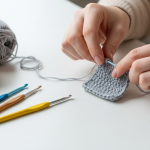
Before diving into the stitches themselves, it’s essential to gather the right tools. While crochet is famously low-tech, having quality materials from the start significantly improves the learning experience.
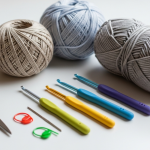
Essential Tools:
- Crochet Hook: Start with a size H/8 (5.0 mm) aluminum hook. It’s comfortable to hold, works well with medium-weight yarn, and is widely available.
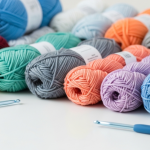
- Yarn: Choose a smooth, light-colored, worsted-weight (Category 4) acrylic or cotton yarn. Avoid dark colors (hard to see stitches), fuzzy textures (obscure stitch definition), or very thin yarns (frustrating for beginners).
- Scissors: A small, sharp pair for cleanly cutting yarn.
- Tapestry Needle: For weaving in loose ends—a non-negotiable step in professional-looking finished pieces.
- Stitch Markers (optional but helpful): Small plastic rings or safety pins to mark the beginning of rounds or important pattern points.
Recommended Learning Resources:
- A printed or digital copy of standard crochet abbreviations (e.g., sc = single crochet, dc = double crochet).
- A mirror or phone camera to check your hand positioning.
- Access to slow-motion video tutorials (YouTube channels like Bella Coco or TL Yarn Crafts offer excellent beginner content).
Having these items ready minimizes frustration and lets you focus entirely on stitch formation—a critical factor in building early confidence.
Yarn Types and Fiber Considerations
Not all yarns are created equal, especially for beginners. The fiber content and weight dramatically affect how easily you can see and manipulate your stitches.
Best Yarn Choices for Learning Beginner Crochet Stitches:
- Worsted Weight (Category 4): This medium-thickness yarn is ideal. It’s neither too bulky nor too fine, making individual stitches clearly visible.
- Smooth Acrylic: Affordable, durable, and forgiving. Brands like Red Heart Super Saver or Lion Brand Basic Stitch Anti-Pilling are excellent starters.
- Cotton (e.g., Lily Sugar’n Cream): Less stretchy than acrylic, which helps maintain even tension. Great for dishcloths or summer projects.
Fibers to Avoid Initially:
- Mohair, Chenille, or Bouclé: These textured yarns hide stitch structure, making it hard to identify where to insert your hook.
- Superwash Wool (for some): While lovely, its elasticity can cause uneven tension in new hands.
- Very Dark or Variegated Yarns: Subtle color changes or deep hues make it difficult to distinguish one stitch from the next.
From working with multiple crochet brands, I’ve seen countless students give up prematurely simply because they chose the wrong yarn. Investing in a $3–$5 skein of smooth, light-colored worsted weight yarn pays dividends in learning speed and enjoyment.
Skill Level Breakdown
Understanding where you stand helps set realistic expectations and choose appropriate projects.
Beginner:
- Can hold a hook and yarn comfortably.
- Understands how to make a slip knot and foundation chain.
- Is learning to work into chains and previous rows.
- May struggle with consistent tension or counting stitches.
- Projects: Dishcloths, simple scarves, granny squares.
Intermediate:
- Confidently executes all five core beginner crochet stitches.
- Reads written patterns and understands basic charts.
- Can increase/decrease, work in the round, and change colors.
- Projects: Hats, baby blankets, tote bags.
Advanced:
- Masters complex stitch combinations, lacework, and garment construction.
- Designs original patterns or modifies existing ones.
- Understands gauge deeply and can substitute yarns effectively.
- Projects: Sweaters, intricate shawls, amigurumi with shaping.
If you’re just starting, don’t rush. Spend time perfecting the basics—your future self (and your customers, if you sell your work) will thank you.
Step-by-Step Guide to Essential Beginner Crochet Stitches
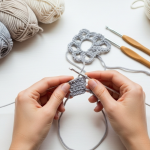
Below is a detailed walkthrough of the five foundational stitches every new crocheter must master. Practice each one individually before combining them.
1. Slip Knot (The Starting Point)
Every project begins here.
How to:
- Make a loop with the yarn, leaving a 6-inch tail.
- Insert your hook into the loop, catch the working yarn (the yarn attached to the skein), and pull it through the loop.
- Gently tighten by pulling the tail. The knot should slide smoothly on the hook.
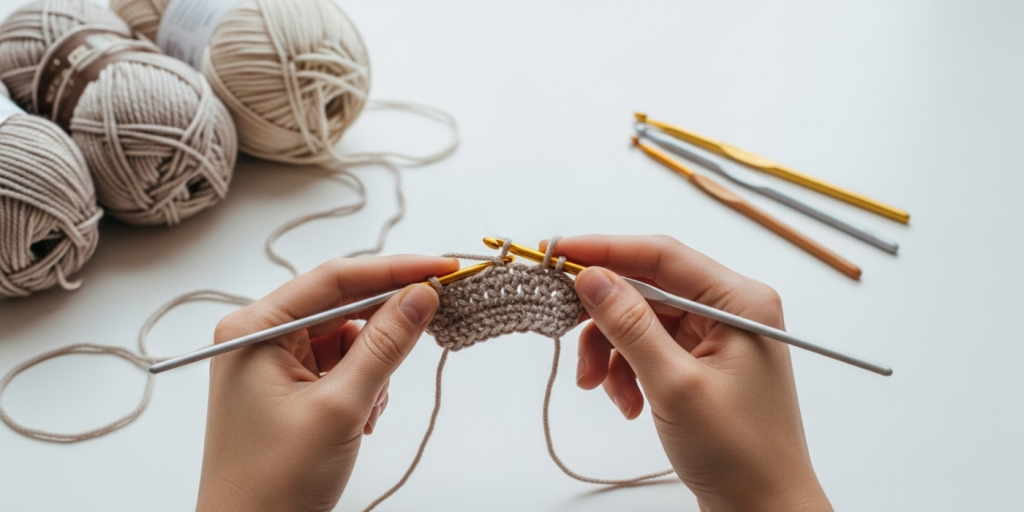
2. Chain Stitch (ch)
The backbone of most projects.
How to:
- Yarn over (wrap yarn over hook from back to front).
- Pull through the loop on your hook.
- Repeat to create a foundation chain.
Tip: Keep chains slightly loose—tight chains make it hard to work into them later.
3. Single Crochet (sc)
The shortest and densest basic stitch.
How to:
- Insert hook into the second chain from hook (or specified stitch).
- Yarn over, pull up a loop (2 loops on hook).
- Yarn over, pull through both loops.
Use: Edgings, amigurumi, dense fabrics like dishcloths.
4. Half Double Crochet (hdc)
A happy medium between sc and dc.
How to:
- Yarn over first.
- Insert hook into stitch, yarn over, pull up a loop (3 loops on hook).
- Yarn over, pull through all 3 loops.
Use: Scarves, baby blankets—offers drape without being too loose.
5. Double Crochet (dc)
Taller and faster to work up.
How to:
- Yarn over.
- Insert hook into stitch, yarn over, pull up a loop (3 loops).
- Yarn over, pull through first 2 loops (2 loops remain).
- Yarn over, pull through last 2 loops.
Use: Afghans, shawls, market bags.
6. Slip Stitch (sl st)
Used for joining, finishing, or moving without height.
How to:
- Insert hook into stitch, yarn over, pull through both stitch and loop on hook in one motion.
Use: Joining rounds, creating invisible seams.
Practice each stitch in rows of 10–15 stitches. Focus on even tension and consistent height. Don’t worry about perfection—consistency comes with repetition.
Common Mistakes and How to Avoid Them
Even seasoned crocheters occasionally fall into these traps—but awareness prevents frustration.
1. Adding or Losing Stitches
- Cause: Accidentally skipping the first or last stitch of a row, or working two stitches into one.
- Fix: Always count your stitches at the end of each row. Use a stitch marker in the first stitch of every row.
2. Twisted Foundation Chain
- Cause: Not keeping the chain flat when joining in the round.
- Fix: Lay your chain on a table before joining. Ensure no twists before slip stitching to the first chain.
3. Inconsistent Tension
- Cause: Gripping yarn too tightly or loosely, often due to nervousness.
- Fix: Relax your shoulders. Hold yarn gently between fingers—let it glide, don’t strangle it.
4. Misidentifying the Top of the Stitch
- Cause: Working into the back bump or post instead of the two top loops.
- Fix: Look for the “V” shape at the top of each stitch. Insert your hook under both legs of the V.
5. Ignoring Gauge
- Cause: Assuming all worsted yarns behave the same.
- Fix: Always make a 4″x4″ swatch before starting a garment. Adjust hook size if needed.
In many crochet businesses, returns or negative reviews stem from these avoidable errors. Teaching beginners to recognize and correct them early builds long-term success.
Advanced Tips and Professional Insights
Once you’ve mastered the basics, these pro techniques elevate your work:
Tension Control Through Hook Grip:
Hold your hook like a pencil for fine control or like a knife for speed. Experiment to find what reduces hand fatigue.
Reading Your Fabric:
Instead of counting every stitch, learn to “read” your work. Each stitch leaves a visible trail—use it to spot errors instantly.
Yarn Management:
Wind skeins into center-pull balls to prevent tangling. Store yarn in breathable cotton bags to avoid moisture buildup.
Hook Material Matters:
Aluminum hooks are great for beginners, but bamboo or ergonomic hooks reduce wrist strain during long sessions—essential if you plan to sell your work regularly.
Experienced designers often recommend practicing beginner crochet stitches with contrasting yarn colors for the first few rows. This visual separation makes it easier to see stitch anatomy and correct mistakes.
Real-World or Hypothetical Examples
Consider “Maya,” a stay-at-home mom who started crocheting during maternity leave. She began with a simple dishcloth using only single crochet. After mastering tension and stitch count, she moved to half double crochet scarves, which she sold at local craft fairs. Within a year, her Instagram following grew to 10K, and she launched a digital pattern shop specializing in beginner-friendly designs.
Her secret? She never skipped the fundamentals. Every product she sells includes a “Stitch Refresher” section explaining the core beginner crochet stitches used. Her customers—mostly new crocheters—appreciate the clarity, leading to 5-star reviews and repeat purchases.
Similarly, a nonprofit I consulted for taught refugee women to crochet market bags using double crochet. The simplicity of the stitch allowed rapid skill acquisition, and within months, the group was generating supplemental income. The project succeeded because it honored the power of foundational technique.
Customization and Adaptation Ideas
Once you know the core stitches, customization becomes intuitive:
- Texture Play: Alternate rows of single and double crochet for ribbed effects.
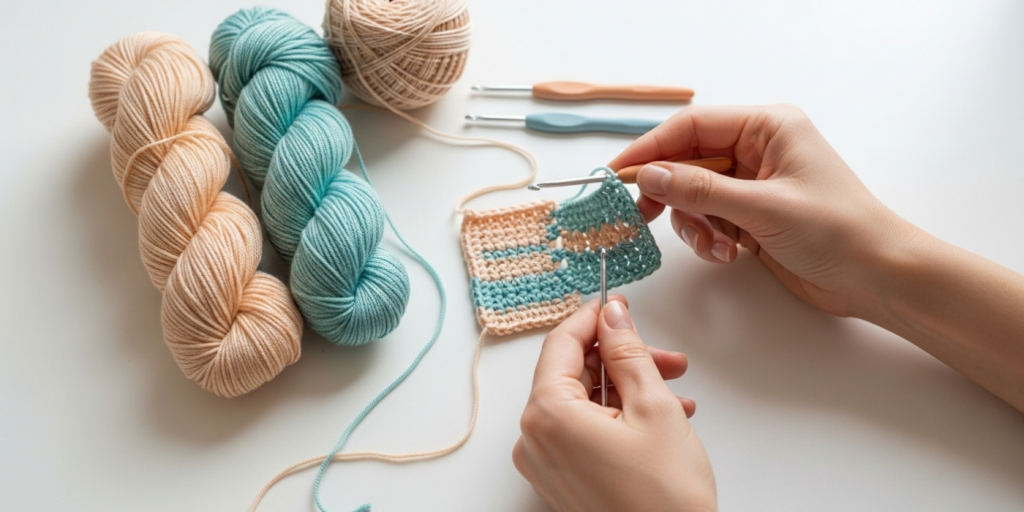
- Colorwork: Change yarn every few rows for stripes—no advanced intarsia needed.
- Edging Variations: Finish a blanket with a round of shell stitches (made from clusters of dc) for elegance.
- Size Adjustment: To make a scarf wider, add multiples of 2 chains to your foundation (since hdc and dc often require even numbers).
These adaptations require no new stitches—just creative application of the basics. This is how handmade brands develop signature styles without overwhelming beginners.
Care, Maintenance, or Best Practices
Proper care ensures your handmade items last—and reflects well on your craftsmanship if you sell them.
General Care Tips:
- Always check yarn labels for washing instructions.
- Hand-wash delicate items in cold water with mild detergent.
- Lay flat to dry to prevent stretching.
- Store finished pieces folded, not hung, to avoid distortion.
Tool Maintenance:
- Clean hooks with a soft cloth after use.
- Store in a case to prevent bending (especially aluminum).
- Replace hooks if they develop burrs that snag yarn.
For businesses, including a care card with every product builds trust and professionalism—small touches that encourage word-of-mouth marketing.
Monetization Opportunities
Mastering beginner crochet stitches opens multiple income streams:
1. Digital Patterns:
Create simple, well-photographed PDFs for dishcloths, beanies, or coasters. Price between $3–$6 on Etsy or Ravelry.
2. Online Courses:
Record a 30-minute “Absolute Beginner Crochet” class on Teachable or Skillshare. Focus on stitch formation and troubleshooting.
3. Craft Kits:
Curate beginner kits with pre-measured yarn, a hook, and a printed pattern. Include QR codes linking to video support.
4. Affiliate Marketing:
Recommend specific yarns or hooks in your blog or social media. Earn commissions through programs like Amazon Associates or WeCrochet.
5. Local Workshops:
Partner with coffee shops or libraries to host in-person classes. Charge $20–$40 per student.
The key is to serve the beginner mindset with empathy and clarity. Your expertise in foundational stitches is your most valuable asset.
Frequently Asked Questions (FAQ)
1. What is the easiest crochet stitch for absolute beginners?
The single crochet (sc) is the simplest in terms of motion and height. It creates a tight, sturdy fabric ideal for first projects like dishcloths.
2. How long does it take to learn beginner crochet stitches?
Most people grasp the basics in 2–5 hours of focused practice. Consistency matters more than duration—15 minutes daily beats one marathon session.
3. Do I need different hooks for different beginner stitches?
No. A single H/8 (5.0 mm) hook works for all foundational stitches when paired with worsted-weight yarn. Hook size affects fabric density, not stitch type.
4. Why does my crochet fabric curl or ripple?
Uneven tension or incorrect stitch count causes this. Always count stitches per row and maintain relaxed, consistent yarn tension.
5. Can I mix beginner crochet stitches in one project?
Absolutely! Combining stitches (e.g., sc borders with dc centers) adds texture and interest. Just ensure your pattern accounts for height differences.
6. What’s the difference between UK and US crochet terms?
They use different names for the same stitches (e.g., US “single crochet” = UK “double crochet”). Always check a pattern’s terminology note before starting.
Conclusion
Learning the essential beginner crochet stitches is more than a technical exercise—it’s your gateway to a world of creativity, mindfulness, and potential entrepreneurship. These five stitches—chain, slip, single, half double, and double crochet—form the DNA of virtually every crochet pattern ever written. By investing time in mastering them with attention to detail, you build a rock-solid foundation that supports everything from cozy home decor to profitable handmade businesses.
Remember, every expert was once a beginner staring at a tangled ball of yarn. What separates hobbyists from artisans isn’t talent—it’s patience, practice, and the willingness to learn from mistakes. So pick up that hook, choose a smooth skein of yarn, and make your first chain. With each stitch, you’re not just creating fabric—you’re weaving your own story into the rich tapestry of the handmade community.
Now go forth and crochet—with confidence, curiosity, and joy.
Helena Nogueira é uma entusiasta do crochê e do artesanato, explorando novas técnicas e projetos em busca de criações únicas e cheias de personalidade. Apaixonada por criatividade e desenvolvimento pessoal, ela alia dedicação e curiosidade para transformar fios em arte, cultivando hábitos que impulsionam seu crescimento enquanto compartilha beleza e inspiração com quem valoriza o feito à mão.