Introduction
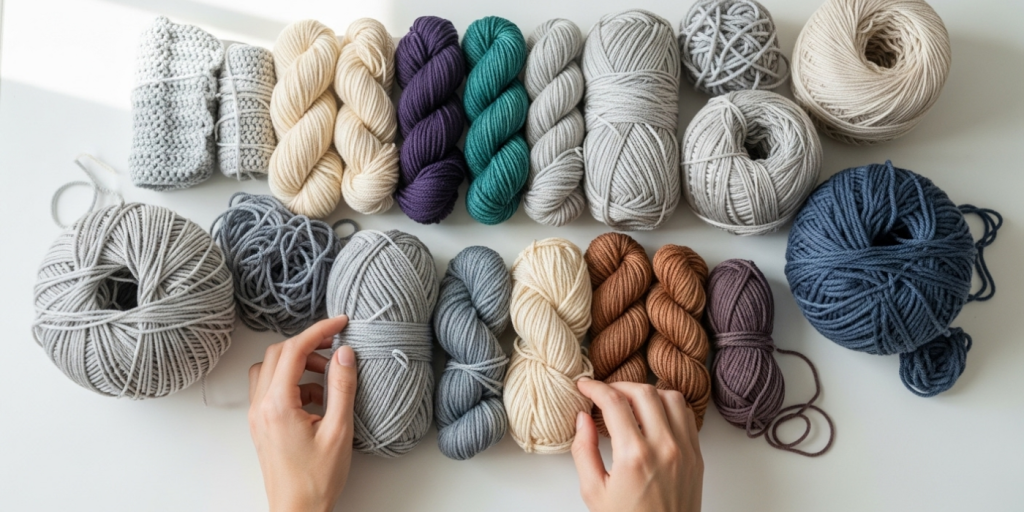
Choosing the right yarn is one of the most critical—and often underestimated—steps in executing any crochet project successfully. Best practices for selecting yarn for crochet patterns go far beyond matching a suggested weight or color; they involve understanding fiber behavior, drape, stitch definition, durability, and even the emotional resonance of texture. A mismatched yarn can turn a beautifully written pattern into a disappointing, unwearable, or structurally unsound result—no matter how perfectly you follow the instructions.
In my two decades of working with independent designers, yarn dyers, and handmade brands, I’ve seen countless projects succeed or fail based solely on yarn choice. Beginners often assume that “any worsted-weight yarn will do,” only to end up with a stiff shawl or a sagging sweater. Meanwhile, seasoned makers treat yarn selection as a strategic design decision—one that shapes not just the final look, but also the user experience, care requirements, and marketability of the finished piece.
This guide dives deep into the nuanced art and science of best practices for selecting yarn for crochet patterns, offering actionable insights, real-world examples, and professional frameworks that empower you to make confident, intentional choices every time. Whether you’re crafting a baby blanket, launching a product line, or adapting a vintage motif for modern wear, mastering yarn selection is your secret weapon.
What This Topic Means for Crochet & Knitting Businesses
For handmade entrepreneurs, yarn selection isn’t just about aesthetics—it’s a core business function. In many crochet businesses, the yarn used directly influences customer satisfaction, return rates, and brand reputation. A luxury hand-dyed merino might elevate a shawl into a premium product, but it could be disastrous for a children’s toy that needs frequent washing.
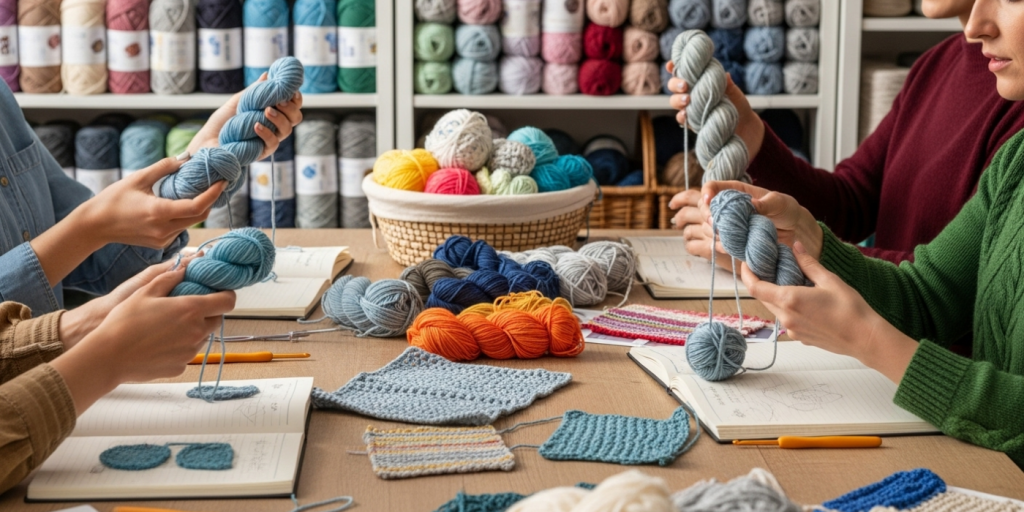
Experienced designers often recommend building a “yarn library”—a curated collection of swatched and documented yarns categorized by fiber, weight, drape, and performance. This allows for rapid prototyping and consistent quality across product lines. From working with multiple crochet brands, I’ve observed that top-performing shops don’t just sell finished items—they educate their customers on why a specific yarn was chosen, turning a simple purchase into a storytelling moment.
Moreover, digital pattern designers who include detailed yarn substitution guidelines (including yardage calculations and swatch photos) see higher conversion rates and fewer support inquiries. When customers understand how to apply best practices for selecting yarn for crochet patterns, they’re more likely to succeed—and to return for future patterns.
Yarn choice also impacts sustainability and ethical positioning. Brands that prioritize organic cotton, recycled fibers, or traceable wool can differentiate themselves in a crowded market—provided they communicate those choices clearly and authentically.
Why This Strategy Works Especially Well in the Crochet Community
The crochet community has always been deeply tactile and experimental. Unlike knitting, which often emphasizes uniformity and precision, crochet thrives on texture, dimension, and improvisation. This makes yarn selection not just important—but creatively liberating.
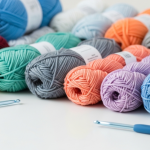
Crocheters are naturally curious about how different fibers behave under hook tension. A cotton thread creates crisp lace, while mohair adds ethereal halo. The same stitch pattern can look architectural in linen or soft and cuddly in acrylic. This variability invites exploration, and the online crochet world—through Instagram reels, YouTube tutorials, and Ravelry forums—celebrates these experiments.
Because crochet uses more yarn per square inch than knitting, the impact of fiber choice is magnified. A poor yarn decision becomes glaringly obvious faster. This reality has cultivated a culture of thoughtful selection: crocheters share swatch comparisons, warn against “yarn traps” (like slippery bamboo blends for beginners), and celebrate successful substitutions.
When you apply best practices for selecting yarn for crochet patterns, you’re not just avoiding mistakes—you’re joining a global conversation about material intelligence and craft integrity.
Materials, Tools, or Resources Needed
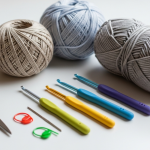
To implement effective yarn selection, gather these essential tools:
- Physical yarn swatch cards: Keep samples of yarns you’ve used, labeled with fiber content, hook size, gauge, and blocking results.
- Digital spreadsheet or app: Track yarn details (brand, lot number, price per yard, wash instructions).
- Measuring tape and ruler: For accurate gauge measurement.
- Blocking mats and pins: Essential for testing true drape and stitch definition.
- Fiber reference guide: Understand properties of wool, cotton, acrylic, silk, alpaca, etc.
- Pattern schematic (if available): Helps match yarn drape to garment structure.
- Lightbox or consistent lighting: View true color and texture without glare.
- Washing/drying test kit: Small mesh bags to test how yarn behaves after laundering.
Many professionals also maintain relationships with local yarn shop owners or wholesale suppliers to access sample skeins before committing to bulk purchases—especially crucial for small businesses managing inventory costs.
Yarn Types and Fiber Considerations
Understanding fiber behavior is non-negotiable in best practices for selecting yarn for crochet patterns. Here’s how common fibers perform:
Wool
- Pros: Elastic, warm, forgiving, excellent stitch definition, felts well.
- Cons: Can be itchy, requires gentle washing, may shrink if mishandled.
- Best for: Sweaters, hats, mittens, textured blankets.
Cotton
- Pros: Breathable, machine-washable, crisp stitch definition.
- Cons: No elasticity, heavy when wet, prone to stretching.
- Best for: Dishcloths, summer garments, baby items, amigurumi.
Acrylic
- Pros: Affordable, durable, wide color range, easy care.
- Cons: Poor breathability, pills over time, lacks natural drape.
- Best for: Budget-friendly gifts, charity projects, beginner practice.
Bamboo/Rayon
- Pros: Silky drape, lustrous sheen, eco-friendly (if processed responsibly).
- Cons: Very slippery, stretches significantly, weak when wet.
- Best for: Lace shawls, drapey cardigans (with reinforced seams).
Linen
- Pros: Strong, gets softer with washing, cool in summer.
- Cons: Stiff at first, no elasticity, wrinkles easily.
- Best for: Market bags, structured tops, home decor.
Blends
- Example: Wool + nylon = durability + elasticity (great for socks).
- Caution: Ensure blend percentages support your project’s needs. A 70% acrylic/30% wool blend may lack the bounce of pure wool.
Always consider the end use: Will it be worn next to skin? Washed weekly? Displayed as art? Let function drive fiber choice.
Skill Level Breakdown
Beginner
- Focus on smooth, medium-weight (worsted/Aran) yarns in solid colors.
- Avoid fuzzy, slippery, or novelty yarns that obscure stitches.
- Use affordable acrylic or cotton for low-stakes practice.
- Selection priority: Clarity and ease of handling.
Intermediate
- Experiment with different fibers and weights.
- Learn to read yarn labels for fiber content, dye lot, and care symbols.
- Begin substituting yarns within the same weight category.
- Selection priority: Matching pattern intent while exploring texture.
Advanced
- Confidently substitute across weights using gauge math.
- Understand how twist, ply, and finish affect stitch behavior.
- Select yarns based on drape, memory, and long-term wear.
- Selection priority: Strategic alignment with design vision and audience needs.
From teaching workshops, I’ve found that intermediate crocheters often underestimate how much yarn texture affects tension. A tightly spun yarn requires looser hands; a lofty one demands tighter control. Awareness of this alone prevents half the common mistakes.
Step-by-Step Guide: Best Practices for Selecting Yarn for Crochet Patterns
Step 1: Analyze the Pattern’s Intent
Ask:
- Is it a structured garment or a flowing shawl?
- Does it rely on stitch definition (e.g., cables, bobbles)?
- Is it meant to be cozy, lightweight, or decorative?
Example: A lace doily needs high stitch clarity → choose mercerized cotton or fine linen.
Step 2: Check the Recommended Yarn
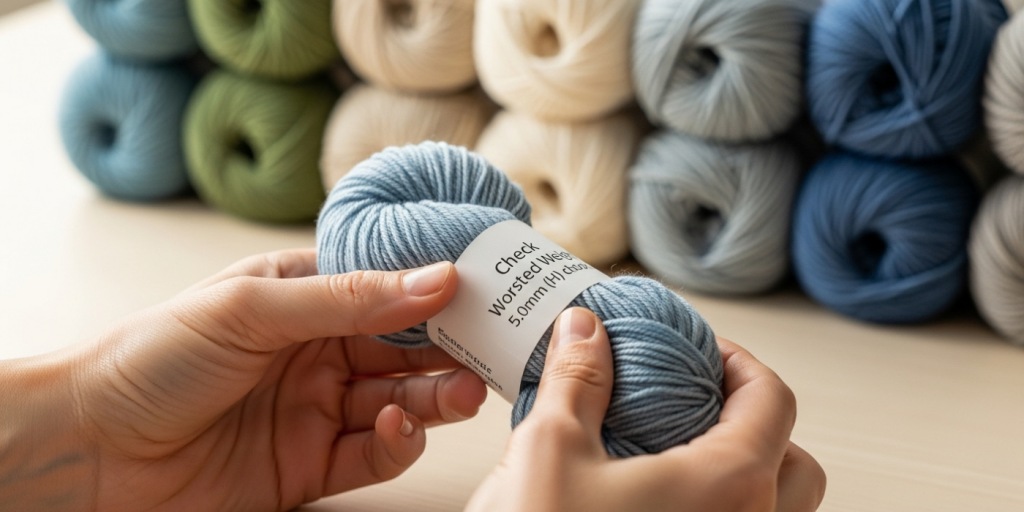
Note:
- Weight (e.g., DK, worsted)
- Fiber content
- Yardage per skein
- Gauge (sts per inch)
Don’t feel bound by the brand—but respect the structural requirements.
Step 3: Swatch with Purpose
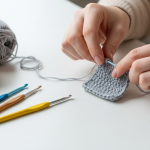
Create a 6″x6″ swatch using the recommended hook—or your usual size if substituting.
- Work in the main stitch pattern (not just single crochet).
- Block the swatch exactly as you’ll finish the final piece.
- Measure gauge, then assess:
- Drape: Does it flow or stand stiff?
- Stitch definition: Are textures visible?
- Hand: Is it pleasant to work with?
Step 4: Evaluate End-Use Requirements
Consider:
- Washability: Baby items → machine-washable cotton or acrylic.
- Durability: Bags or slippers → tightly spun, high-abrasion fibers.
- Comfort: Garments worn close to skin → soft, non-itchy fibers (merino, bamboo).
- Climate: Hot climates → breathable fibers (cotton, linen); cold → insulating (wool, alpaca).
Step 5: Calculate Yardage Accurately
Never assume “same weight = same yardage.”
Formula:
(Total yards in original pattern ÷ yards per skein of original yarn) × yards per skein of your yarn = total skeins needed
Add 10–20% extra for complex textures or color changes.
Step 6: Test Color and Dye Lot Consistency
- Buy all skeins from the same dye lot if possible.
- For variegated yarns, wind a small ball to see how colors pool.
- Hold the yarn against your skin or intended backdrop to check undertones.
Step 7: Document Your Choice
Record:
- Brand, colorway, lot number
- Hook size used
- Blocked gauge
- Notes on drape, splitting, or special handling
This builds your personal yarn database for future projects.
Common Mistakes and How to Avoid Them
Mistake 1: Choosing Yarn Based Only on Color
Why it happens: Emotional appeal overrides practicality.
Consequence: Beautiful yarn that pills, stretches, or obscures lace.
Fix: Fall in love with fiber first, color second.
Mistake 2: Ignoring Ply and Twist
Why it happens: Assuming all worsted yarns behave alike.
Consequence: Lofty single-ply yarns stretch; tightly plied ones resist shaping.
Fix: Examine yarn construction. High-twist = crisp; low-twist = soft but less stable.
Mistake 3: Skipping the Swatch
Why it happens: Impatience or “I know my tension.”
Consequence: Ill-fitting garments, wasted yarn, frustration.
Fix: Treat swatching as part of the design process—not a chore.
Mistake 4: Underestimating Yardage Needs
Why it happens: Trusting pattern estimates without accounting for personal tension or texture.
Consequence: Running out mid-project.
Fix: Weigh your swatch, calculate yardage per gram, then scale up.
Mistake 5: Using Novelty Yarns for Complex Patterns
Why it happens: Wanting visual interest.
Consequence: Fuzzy or ribbon yarns hide intricate stitches.
Fix: Reserve novelty yarns for simple stitch patterns (e.g., single crochet).
Advanced Tips and Professional Insights
- Layer yarns intentionally: Hold two strands of lace-weight together to mimic DK—great for custom color blending.
- Consider environmental impact: Recycled cotton or Tencel™ reduces footprint without sacrificing performance.
- Match yarn to hook material: Slippery yarns (bamboo) work better with grippy hooks (wood, bamboo); sticky yarns (wool) glide on metal.
- Think seasonally: Stock up on cotton in spring, wool in fall—many dyers release seasonal collections.
- Build relationships with indie dyers: They often offer custom bases or mini-skein sets for sampling.
Experienced designers often recommend keeping a “problem yarn” log—notes on yarns that split, fade, or stretch unexpectedly. This prevents repeat errors and informs future sourcing.
Real-World or Hypothetical Examples
Example 1: Launching a Summer Collection
A handmade brand wanted breathable, eco-friendly tops.
- Rejected acrylic (too hot) and pure linen (too stiff).
- Chose a 60% organic cotton / 40% Tencel™ blend.
- Swatched three hook sizes to balance drape and structure.
- Result: Lightweight, machine-washable tops with elegant drape—sold out in pre-orders.
Example 2: Adapting a Vintage Afghan
Original pattern called for discontinued wool.
- Client wanted machine-washable version for daily use.
- Selected a superwash merino/nylon blend in matching weight.
- Adjusted hook size down by 0.5mm to compensate for added bounce.
- Added extra border rows to maintain original dimensions post-blocking.
- Final piece retained heirloom feel with modern care ease.
Customization and Adaptation Ideas
- Color grading: Use tonal yarns instead of solids for subtle depth.
- Texture mixing: Combine smooth and bouclé yarns in separate panels for contrast.
- Weight shifting: Use fingering weight for delicate edging on a worsted body.
- Cultural relevance: Source locally produced fibers (e.g., Peruvian alpaca, Indian khadi cotton) to honor heritage.
- Sensory adaptation: For neurodivergent users, select ultra-soft, tagless yarns with minimal texture variation.
Always ask: “Who is this for, and how will they interact with it?”
Care, Maintenance, or Best Practices
- Label finished items: Include fiber content and care instructions—critical for gifts or sales.
- Pre-wash yarn if possible: Some hand-dyed yarns bleed; washing beforehand prevents disaster.
- Store yarn properly: Keep in breathable cotton bags away from sunlight and moths.
- Respect copyright: You can substitute yarn freely, but don’t claim the modified project as an original design without significant changes.
- Share ethically: When posting projects online, tag yarn brands and designers—community thrives on reciprocity.
Monetization Opportunities
Mastering best practices for selecting yarn for crochet patterns opens several revenue streams:
- Curated kits: Pair patterns with perfectly matched yarns (include swatch cards).
- Yarn consultation services: Help customers choose yarns for their specific projects.
- Educational content: Create video courses on fiber properties or substitution math.
- Affiliate partnerships: Recommend trusted yarns with honest reviews.
- Wholesale collaborations: Work with dyers to develop exclusive bases for your patterns.
Educational transparency builds trust—which converts to loyal customers and repeat sales.
Frequently Asked Questions (FAQ)
How do I substitute yarn in a crochet pattern?
Match weight, fiber behavior, and gauge. Always swatch and block to confirm suitability.
Can I use a different yarn weight than recommended?
Yes—with adjustments. Use a yarn weight converter chart and recalculate stitch counts based on your gauge.
What yarn is best for amigurumi?
Smooth, tightly spun cotton or acrylic in worsted weight. It holds shape and shows facial details clearly.
Why does my yarn keep splitting?
Low-twist or loosely plied yarns are prone to splitting. Use a hook with a rounded tip (like Clover Amour) and avoid pulling too hard.
How much extra yarn should I buy for a complex pattern?
Add 10% for simple projects, 15–20% for lace, colorwork, or textured stitches.
Is expensive yarn always better?
Not necessarily. “Better” depends on purpose. A $2 acrylic may outperform a $30 silk for a dishcloth. Match yarn to function.
Conclusion
Applying best practices for selecting yarn for crochet patterns transforms your work from generic to exceptional. It’s where technical knowledge meets creative intuition—and where handmade items earn their value through thoughtful material choices. Whether you’re making a gift, building a brand, or simply seeking personal satisfaction, the yarn you choose speaks before a single stitch is made.
Start today: pull out a pattern you’ve been hesitant to begin, examine its soul, and match it with a yarn that honors its purpose. Swatch with curiosity, document your discoveries, and never underestimate the power of fiber intelligence. In the world of crochet, the right yarn doesn’t just complete a project—it elevates it.
Your hook is ready. Now choose your thread wisely.

Helena Nogueira é uma entusiasta do crochê e do artesanato, explorando novas técnicas e projetos em busca de criações únicas e cheias de personalidade. Apaixonada por criatividade e desenvolvimento pessoal, ela alia dedicação e curiosidade para transformar fios em arte, cultivando hábitos que impulsionam seu crescimento enquanto compartilha beleza e inspiração com quem valoriza o feito à mão.