Introduction
Selecting the right yarn fiber is one of the most impactful decisions you’ll make in any crochet project—yet it’s often overlooked by beginners and even seasoned makers. How to choose the right yarn fiber for crochet projects isn’t just about softness or color; it’s about matching material properties to function, care needs, climate, and recipient lifestyle. A baby blanket made from scratchy acrylic may be rejected, while a dishcloth crafted in delicate silk will disintegrate after one wash. Conversely, the perfect fiber choice can elevate a simple stitch pattern into a luxurious, long-lasting heirloom.
From working with multiple crochet brands and advising hundreds of handmade entrepreneurs, I’ve seen firsthand how fiber literacy separates hobbyists from professionals. The right yarn doesn’t just work—it enhances drape, stitch definition, durability, and emotional resonance. This guide cuts through marketing fluff and provides a practical, experience-backed framework for choosing fibers with confidence—whether you’re making a market tote, a winter scarf, or a custom commission. By the end, you’ll understand not only what each fiber does, but why it matters—and how to leverage that knowledge for better results and smarter business decisions.
What This Topic Means for Crochet & Knitting Businesses
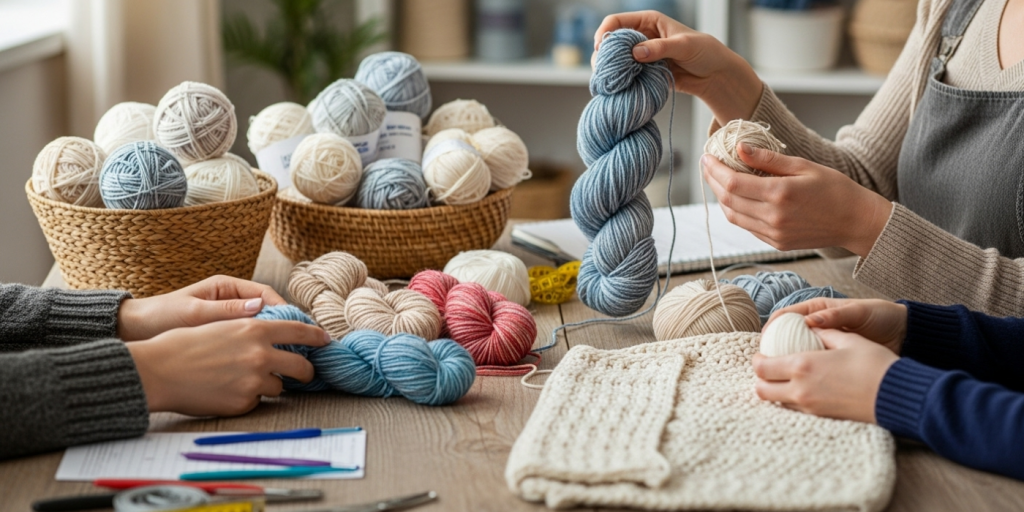
For handmade businesses, how to choose the right yarn fiber for crochet projects directly impacts customer satisfaction, product longevity, and brand reputation. In many crochet businesses I’ve consulted, returns or negative reviews often trace back to fiber mismatches—not poor craftsmanship. A customer expecting a cozy, breathable shawl receives a stiff, synthetic wrap that pills after one wear, and trust erodes.
Conversely, brands that educate customers on their fiber choices (e.g., “Made with organic cotton for sensitive skin” or “Merino wool for natural temperature regulation”) build credibility and justify premium pricing. Experienced designers often recommend creating “fiber profiles” for each product line—documenting why a specific yarn was chosen—to use in product descriptions and social content. This transparency resonates with today’s conscious consumers, who increasingly value sustainability, ethics, and performance over aesthetics alone.
Moreover, strategic fiber selection reduces waste and cost. Buying bulk cotton for kitchenware or recycled blends for eco-totes streamlines inventory and aligns with niche marketing. In short, mastering fiber choice isn’t just craft—it’s smart commerce.
Why This Strategy Works Especially Well in the Crochet Community
Crochet’s versatility makes fiber selection uniquely powerful. Unlike knitting, which often relies on yarn elasticity for stitch recovery, crochet builds structure through individual loops—meaning fiber behavior has an outsized impact on final shape, weight, and drape. A cotton sweater will hang differently than one in wool, even with identical patterns.
The crochet community also skews toward practical, functional projects—baby items, home goods, accessories—where fiber performance is non-negotiable. From working with multiple crochet brands, I’ve observed that tutorials emphasizing fiber education (e.g., “Why I chose bamboo for this summer top”) generate higher engagement and fewer “my project didn’t turn out like yours” comments. When makers understand why a fiber works, they replicate success more reliably.
Additionally, the rise of indie dyers and sustainable yarn companies has expanded accessible options, making informed choices more critical than ever. Choosing the right fiber isn’t elitism—it’s empowerment.
Materials, Tools, or Resources Needed
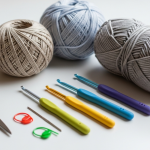
You don’t need a lab to evaluate yarn—but a few tools help:
- Swatch Notebook: Record fiber content, hook size, gauge, and post-wash results.
- Digital Scale: Weigh yarn before/after washing to check shrinkage.
- pH Test Strips (optional): For testing hand-dyed yarns’ colorfastness.
- Fabric Softness Tester (your wrist!): Rub yarn against your inner arm—if it irritates, it’s not gift-worthy.
- Yarn Wraps or Samples: Keep small skeins of common fibers for side-by-side comparison.
- Online Databases: Ravelry’s yarn database, Yarndex, or manufacturer spec sheets for burn tests and care symbols.
Most importantly: time. Always swatch, wash, and block before committing to a full project.
Yarn Types and Fiber Considerations
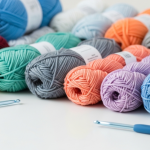
Understanding fiber categories is essential to how to choose the right yarn fiber for crochet projects. Here’s a detailed breakdown:
Natural Animal Fibers
- Wool (Merino, Corriedale, Shetland): Elastic, warm, moisture-wicking. Ideal for cold-weather wearables. Can felt if agitated—hand-wash only unless labeled “superwash.”
- Alpaca: Softer and warmer than wool, with a silky drape. Less elastic—best blended with wool for structure.
- Cashmere/Mohair: Luxurious but fragile. Use for lightweight shawls or accents, not high-abrasion items.
Natural Plant Fibers
- Cotton: Strong, absorbent, machine-washable. Lacks memory—great for dishcloths, baby items, summer tops. Can stretch when wet; choose mercerized for smoother texture.
- Linen/Hemp: Extremely durable and breathable, but stiff at first. Softens beautifully with washing. Perfect for market bags or structured garments.
- Bamboo/Viscose: Silky sheen and drape, eco-friendly (if processed responsibly). Weak when wet—avoid for heavy-use items.
Synthetic Fibers
- Acrylic: Affordable, colorfast, hypoallergenic. Varies widely in quality—premium versions (e.g., Caron Cakes) mimic wool; cheap ones pill and feel plasticky. Machine-washable but not biodegradable.
- Nylon/Polyester: Often blended for strength (e.g., sock yarns). Adds durability but reduces breathability.
- Elastane/Spandex: Provides stretch in fitted items like hats or gloves (usually 2–5% blend).
Blends
Most commercial yarns are blends (e.g., 80% acrylic/20% wool). These combine benefits—acrylic’s affordability with wool’s warmth—but read labels carefully. A “wool blend” could mean 10% wool and 90% acrylic.
Key considerations:
- Intended Use: Will it be washed weekly? Worn next to skin? Exposed to sun?
- Care Requirements: Match to the recipient’s lifestyle (e.g., busy parents need machine-washable).
- Environmental Impact: Natural fibers biodegrade; synthetics shed microplastics.
- Allergies: Some react to lanolin (in wool) or synthetic dyes.
Skill Level Breakdown (Beginner / Intermediate / Advanced)
Fiber choice intersects with skill level:
- Beginner: Stick to forgiving, consistent fibers like worsted-weight acrylic or cotton. Avoid slippery bamboo or splitty linen until tension control improves. Projects: scarves, dishcloths, simple amigurumi.
- Intermediate: Experiment with blends and texture—e.g., wool-cotton for lightweight sweaters, or bamboo for lace. Learn to adjust hook size for drape vs. structure.
- Advanced: Master challenging fibers like pure linen (which requires blocking to soften) or fine silk (which demands precise tension). Customize fiber blends for bespoke commissions.
Experienced designers often recommend beginners avoid “novelty” yarns (eyelash, bouclé) until they understand basic fiber behavior—they obscure stitch definition and frustrate learners.
Step-by-Step Guide: Selecting the Perfect Fiber for a Baby Blanket
Let’s apply the principles to a real-world scenario.
Step 1: Define Project Requirements
- Use: Daily cuddling, frequent washing
- Recipient: Infant with sensitive skin
- Climate: Temperate (not extreme cold/heat)
- Care: Must be machine-washable, low-shed
Step 2: Eliminate Unsuitable Fibers
- ❌ Wool (potential itch, hand-wash only)
- ❌ Mohair (shedding hazard)
- ❌ Acrylic (cheap versions may irritate; avoid unless premium)
- ❌ Linen (too stiff for babies)
Step 3: Evaluate Top Candidates
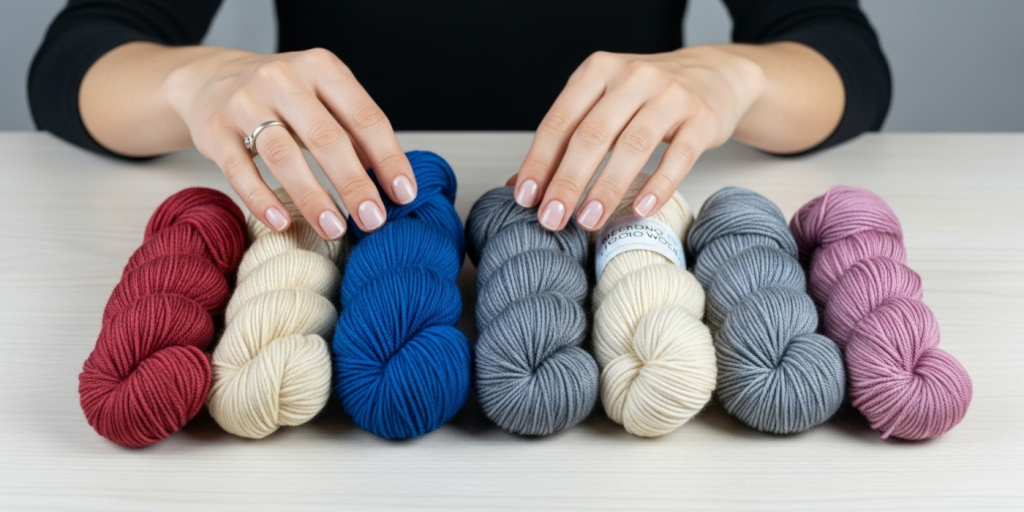
- Organic Cotton: Hypoallergenic, breathable, softens with washes. Downside: heavy when wet, may stretch.
- Bamboo-Cotton Blend (70/30): Silky soft, naturally antibacterial, drapes well. Ensure Oeko-Tex certification for safety.
- Premium Acrylic (e.g., Bernat Baby Blanket): Ultra-soft, machine-washable, affordable. Verify no chemical odor.
Step 4: Swatch and Test
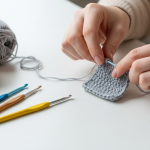
- Make 6″x6″ swatches in each candidate.
- Wash and dry as intended (e.g., warm cycle, tumble dry low).
- Assess: softness, shrinkage, pilling, stiffness.
Step 5: Final Selection
If budget allows, choose organic cotton for purity and breathability. If cost is a concern, certified premium acrylic offers reliability. Avoid blends with unknown synthetics.
Step 6: Document Your Choice
Note: “Chosen organic cotton for its hypoallergenic properties and ease of care—ideal for newborns.”
This method ensures your gift is both beautiful and safe.
Common Mistakes and How to Avoid Them
Even experts slip up. Here are frequent fiber faux pas:
Mistake 1: Assuming “Soft” = “Good for Skin”
Reality: Some ultra-soft acrylics contain silicones that wash out, leaving rough fibers.
Fix: Wash a swatch first. True softness persists after laundering.
Mistake 2: Ignoring Yardage Variance
Reality: 100g of cotton ≠ 100g of wool in length. Cotton is denser.
Fix: Calculate yardage needed, not just weight. Check label meters/yards per skein.
Mistake 3: Using Delicate Fibers for High-Abrasion Items
Example: Silk socks will shred.
Fix: Match fiber strength to use case. Reinforce heels/toes with nylon blends.
Mistake 4: Overlooking Dye Lot Numbers
Result: Visible color shifts mid-project.
Fix: Buy all skeins from the same dye lot. If unavailable, alternate skeins every 2 rows.
Mistake 5: Choosing Based on Color Alone
Problem: A stunning variegated yarn may obscure intricate stitches.
Fix: For textured patterns, use semi-solid or tonal yarns. Save multicolors for simple stitches.
Mistake 6: Not Considering Environmental Conditions
Example: Wool in humid climates feels clammy.
Fix: Research local climate if gifting remotely. Linen excels in heat; alpaca in dry cold.
Prevention beats correction—especially when yarn isn’t returnable.
Advanced Tips and Professional Insights
Go beyond basics with these pro strategies:
- Burn Test for Unknown Fibers: Natural fibers smell like burning hair (protein) or paper (cellulose); synthetics melt and smell chemical. (Do safely in a sink!)
- Blend for Balance: Mix 10% wool into cotton for elasticity without itch.
- Seasonal Rotation: Stock fibers by season—cotton/bamboo for spring/summer, wool/alpaca for fall/winter.
- Texture Layering: Combine smooth and nubby yarns in the same project (e.g., cotton body with mohair trim) for sensory interest.
- Ask Dyers Directly: Indie dyers often share fiber sourcing and processing methods—key for ethical buyers.
- Test for Pilling: Rub swatch vigorously with a fingernail. Pills form quickly in low-twist acrylics.
From working with multiple crochet brands, I’ve learned that fiber storytelling sells. “This blanket uses Peruvian highland wool, sourced from family-run farms” adds emotional value far beyond specs.
Real-World or Hypothetical Examples
Consider “Elena,” a maker launching a summer collection. She initially chose a cheap acrylic for her market tote—only to find it stretched under grocery weight and faded in sunlight. After switching to undyed organic cotton, her bags held shape, gained texture with use, and attracted eco-conscious buyers willing to pay 30% more.
In another case, a boutique baby brand received complaints about “itchy” blankets. Lab tests revealed their “merino” blend contained only 15% wool—the rest was acrylic. They reformulated with 100% GOTS-certified cotton, added care tags explaining fiber benefits, and saw return rates drop to near zero.
These examples prove that how to choose the right yarn fiber for crochet projects isn’t theoretical—it’s foundational to trust and success.
Customization and Adaptation Ideas
Tailor fiber choices to individual needs:
- For Allergy Sufferers: Use Tencel or certified organic cotton—no animal proteins or synthetic dyes.
- For Hot Climates: Linen or hemp blends wick moisture and resist odor.
- For Luxury Gifts: Cashmere-blend wraps or silk-cotton shawls feel indulgent.
- For Durability: Nylon-reinforced cotton for pet beds or children’s toys.
- For Eco-Conscious Clients: Recycled cotton, ECONYL (from ocean plastic), or peace silk.
Offer “fiber consultations” as part of custom orders—clients love feeling heard.
Care, Maintenance, or Best Practices
Extend your project’s life with proper care:
- Wool/Alpaca: Hand-wash in cold water with wool wash. Lay flat to dry. Never wring.
- Cotton/Linen: Machine-wash warm, tumble dry low. Expect 5–10% shrinkage.
- Acrylic: Wash warm, dry low. Avoid high heat—it melts fibers.
- Bamboo/Silk: Hand-wash or gentle cycle. Air dry away from sun to prevent yellowing.
- Storage: Fold, don’t hang, to avoid stretching. Use cedar blocks, not mothballs.
Always include a care tag with finished gifts—it shows professionalism and prevents damage.
Monetization Opportunities
Understanding how to choose the right yarn fiber for crochet projects opens revenue streams:
- Educational Content: Sell guides like “Fiber Matchmaker: Pick the Perfect Yarn Every Time.”
- Curated Kits: Bundle project-specific yarns with patterns (e.g., “Summer Market Bag Kit: Organic Cotton + PDF”).
- Consulting: Advise other makers on fiber sourcing for their product lines.
- Workshops: Teach “Fiber Fundamentals” classes online or at yarn shops.
- Affiliate Partnerships: Recommend trusted yarn brands with honest reviews.
- Custom Commissions: Charge a premium for ethically sourced, client-specific fiber selections.
Knowledge is your differentiator—share it generously, and your audience will reward you.
Frequently Asked Questions (FAQ)
Q1: What’s the best yarn fiber for beginner crochet projects?
A: Medium-weight (worsted) acrylic or cotton. They’re affordable, consistent, and easy to rip back if mistakes occur.
Q2: Can I substitute yarn fibers in a pattern?
A: Yes, but match weight and care needs. Swatch first—different fibers behave uniquely even at the same gauge.
Q3: Is acrylic yarn bad for the environment?
A: It’s petroleum-based and sheds microplastics, but premium acrylics last longer, reducing waste. Look for recycled options if concerned.
Q4: How do I know if a yarn is good quality?
A: Check twist (tight = durable), ply (2+ plies resist splitting), and feel (no harsh chemicals). Reputable brands publish fiber content clearly.
Q5: What fiber is best for hot weather crochet?
A: Linen, cotton, bamboo, or hemp. They’re breathable, moisture-wicking, and get softer with wear.
Q6: Why does my cotton project keep stretching?
A: Cotton lacks memory. Block aggressively, use a smaller hook, or blend with 10% wool for recovery.
Conclusion
Mastering how to choose the right yarn fiber for crochet projects transforms your work from generic to intentional. It’s the quiet foundation beneath every stitch—determining not just how a piece looks, but how it lives in the world. Whether you’re crafting for loved ones or building a brand, fiber literacy builds trust, reduces waste, and elevates your artistry.
Don’t let overwhelming choices paralyze you. Start small: swatch three fibers this week. Wash them. Feel them. Note what surprises you. With each project, your intuition will sharpen—and your creations will carry not just beauty, but wisdom. So pick up that skein, read the label, and ask: Who is this for, and how will they live with it? The answer will guide your hook.

Helena Nogueira é uma entusiasta do crochê e do artesanato, explorando novas técnicas e projetos em busca de criações únicas e cheias de personalidade. Apaixonada por criatividade e desenvolvimento pessoal, ela alia dedicação e curiosidade para transformar fios em arte, cultivando hábitos que impulsionam seu crescimento enquanto compartilha beleza e inspiração com quem valoriza o feito à mão.