Introduction
Turning your passion for crochet into a sustainable income is more achievable than ever—but it requires more than just beautiful stitches. The phrase starting a crochet business from home encompasses product development, customer psychology, digital marketing, financial planning, and brand storytelling. While many makers begin by selling a few scarves on Etsy, those who build lasting businesses treat their craft as a true enterprise from day one. This comprehensive guide walks you through every essential step: defining your niche, pricing with confidence, setting up legally, creating market-ready products, and building a loyal audience—all without leaving your home studio. Whether you dream of full-time self-employment or a side hustle that funds your yarn habit, this roadmap is grounded in real-world experience, not theory. Let’s turn your hook into a livelihood.
What This Topic Means for Crochet & Knitting Businesses
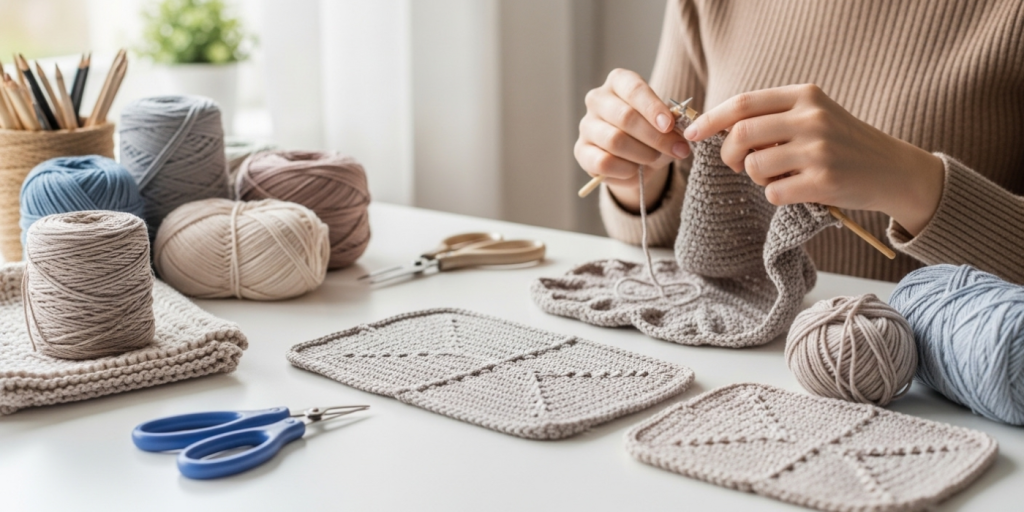
In today’s handmade economy, a well-structured home-based crochet business can thrive alongside global brands—if it’s built on clarity, consistency, and customer value. In many crochet businesses, the biggest early mistake is skipping foundational steps: operating without a business name, underpricing to “be competitive,” or failing to define a target audience. These oversights lead to burnout, inconsistent sales, and undervalued work.
Experienced designers often recommend starting with a micro-niche. Instead of “crochet accessories,” focus on “organic cotton baby hats for eco-conscious parents” or “gender-neutral beanies for neurodivergent teens.” Specificity attracts ideal customers and simplifies marketing.
From working with multiple crochet brands, I’ve seen that the most resilient businesses share three traits:
- Clear product standards (e.g., consistent sizing, professional finishes)
- Transparent pricing that covers time, materials, and overhead
- A content strategy that educates and engages—not just sells
These elements transform casual buyers into repeat supporters and brand advocates.
Why This Strategy Works Especially Well in the Crochet Community
The handmade community craves authenticity—and home-based crochet businesses deliver it naturally. Unlike mass-produced goods, each piece carries the maker’s intention, care, and story. Customers don’t just buy a blanket; they buy hours of focused creation, ethical sourcing, and personal attention.
Social media platforms like Instagram and TikTok amplify this connection. A 60-second video showing how you weave in ends or block a shawl builds trust far more effectively than a polished product photo alone. In fact, behind-the-scenes content consistently outperforms promotional posts in engagement and conversion.
Moreover, the low barrier to entry makes starting a crochet business from home accessible. With minimal startup costs (a hook, yarn, and smartphone), makers can validate ideas before investing heavily. And because inventory can be made-to-order, cash flow remains manageable—even for beginners.
Materials, Tools, or Resources Needed
You don’t need a warehouse—just a lean, organized workspace:
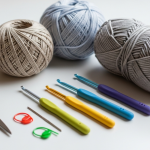
- Craft Supplies: Quality hooks, ergonomic scissors, tapestry needles, stitch markers, measuring tape.
- Photography Setup: Natural light source, neutral backdrop (white foam board or linen), smartphone with clean lens.
- Business Tools:
- Free accounting software (Wave or Mint)
- Email service (Mailchimp or ConvertKit)
- Scheduling tool (Google Calendar or Notion)
- E-commerce platform (Etsy, Shopify, or Big Cartel)
- Legal Essentials:
- Business name registration (check local requirements)
- Sales tax permit (if applicable)
- Basic terms of service and privacy policy for your website
- Learning Resources:
- SCORE.org (free small business mentoring)
- Craft Industry Alliance membership
- Books: The Handmade Marketplace by Kari Chapin, Profit First for Creatives by Mike Michalowicz
Pro tip: Dedicate a physical or digital “business binder” to track expenses, customer feedback, and product ideas.
Yarn Types and Fiber Considerations
Your yarn choices directly impact product quality, pricing, and brand identity.
- For Baby Items: Use GOTS-certified organic cotton or OEKO-TEX®-certified acrylic—soft, hypoallergenic, and machine-washable.
- For Luxury Wearables: Merino wool, alpaca, or Tencel™ blends convey premium value but require clear care instructions.
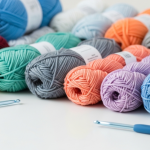
- For Home Décor: Durable fibers like cotton, linen, or recycled polyester withstand frequent use.
- For Amigurumi: Smooth, tightly spun worsted-weight acrylic holds tight stitches and resists pilling.
In many crochet businesses, consistency is key: stick to 3–5 trusted yarn bases across your product line. This ensures uniform quality, simplifies inventory, and builds brand recognition (“I love how soft your blankets always are!”).
Always disclose fiber content clearly—customers with sensitivities or sustainability values rely on this information.
Skill Level Breakdown
You don’t need to be an expert to start—but honesty about your level builds trust.
- Beginner: Focus on simple, high-demand items (dishcloths, coasters, basic beanies). Perfect your tension and finishing techniques first.
- Intermediate: Offer garments with shaping (scarves, cowls, baby cardigans) or colorwork (stripes, simple intarsia).
- Advanced: Create custom commissions, intricate lace, or original designs with written patterns.
Experienced designers often recommend launching with 3–5 core products you can make flawlessly in your sleep. Mastery beats variety in the early stages.
Step-by-Step Guide to Starting a Crochet Business from Home
Step 1: Define Your Niche and Brand Identity
- Ask: Who is my ideal customer? What problem do I solve for them?
- Choose a memorable business name and secure matching social handles.
- Write a brand statement: “We create [product] for [audience] who value [benefit].”
Step 2: Legal and Financial Setup

- Register your business name (DBA or LLC, depending on location).
- Open a separate bank account for business transactions.
- Set up a simple bookkeeping system to track income/expenses.
Step 3: Develop Your Product Line
- Start with 3–5 best-selling, low-complexity items.
- Create consistent sizing (e.g., all beanies fit 22″ head circumference).
- Photograph each item in natural light with lifestyle context (e.g., beanie on a person, not just flat lay).
Step 4: Price Strategically
Use this formula:
Materials + (Hourly Rate × Hours) + Platform Fees + Packaging = Base Price
Then add 10–20% for profit.
Example: $5 yarn + ($20/hr × 2 hrs) + $1.50 fees + $1 packaging = $47.50 → round to $48.
Step 5: Build Your Online Presence
- Launch on Etsy (low barrier) or a simple Shopify store.
- Optimize listings with keywords: “handmade crochet baby hat organic cotton”
- Create an Instagram grid that mixes product shots, process videos, and customer testimonials.
Step 6: Fulfill Orders Professionally
- Include a thank-you note and care instructions.
- Use branded packaging (even just a sticker on a kraft mailer).
- Ship within 3–5 business days—consistency builds trust.
Step 7: Gather Feedback and Iterate
- Send a polite follow-up email: “How are you loving your new beanie?”
- Use responses to improve fit, yarn choice, or communication.
Common Mistakes and How to Avoid Them
- Underpricing: Leads to resentment and unsustainable hours. Track your time honestly and pay yourself fairly.
- Ignoring Legal Requirements: Operating without a license or tax ID can result in fines. Check your city/county rules.
- Selling Before Perfecting: Rushed launches with uneven stitches or poor photos damage credibility. Test with friends first.
- Trying to Do Everything: You don’t need TikTok, Instagram, Pinterest, and a blog on Day 1. Master one platform, then expand.
- No Inventory System: Running out of a popular color mid-season frustrates customers. Keep a simple stock log.
- Skipping Contracts for Custom Work: Always outline scope, timeline, and revision policy in writing—even via email.
Mistakes are inevitable—but documentation and reflection turn them into growth.
Advanced Tips and Professional Insights
From years of mentoring makers:
- Batch Production Saves Time: Crochet 10 beanies in one sitting instead of switching between projects.
- Create a Signature Finish: A unique border, tag, or stitch detail makes your work instantly recognizable.
- Use Evergreen Content: Film one “How I Make My Best-Selling Beanie” video—it can drive traffic for years.
- Collaborate Early: Partner with a local photographer or complementary maker (e.g., soap artisan) for cross-promotion.
- Track Your Metrics: Know your best-selling item, average order value, and customer acquisition cost. Data beats guesswork.
Experienced designers often recommend reinvesting 20% of early profits into better tools or education—this compounds over time.
Real-World or Hypothetical Examples
Case Study: “Stitch & Co.” – From Hobby to Full-Time
Sarah started selling baby blankets on Etsy while on maternity leave. She niched down to “gender-neutral organic cotton blankets with wooden teether tags.” By using consistent photography, clear care labels, and a monthly email featuring customer photos, she grew to $5K/month within 18 months. She now hires two part-time crocheters and focuses on design and marketing.
Hypothetical Launch: “Urban Loop Co.”
A maker in Chicago identifies a gap: stylish, warm beanies for commuters that fit under helmets. She uses durable, wind-resistant wool blends, tests prototypes with bike messengers, and markets via Instagram Reels showing “beanie vs. wind tunnel.” Her unique angle attracts press and steady sales.
Customization and Adaptation Ideas
- Seasonal Collections: Rotate colors/textures (e.g., linen blends for summer, alpaca for winter).
- Personalization: Offer monogramming or custom color combos for gifts.
- Subscription Boxes: Curate monthly crochet kits with exclusive patterns and yarn.
- Local Partnerships: Supply boutiques with consignment pieces or host pop-ups at coffee shops.
Always align adaptations with your brand—not just trends.
Care, Maintenance, or Best Practices
Professionalism extends beyond the product:
- Care Instructions: Include a printed card: “Hand-wash cold, lay flat to dry.”
- Quality Control: Inspect every item for loose ends, skipped stitches, or uneven tension.
- Customer Communication: Respond to messages within 24–48 hours, even if just to say “I’ll get back to you by Friday.”
- Sustainable Packaging: Use recycled mailers, paper tape, and compostable tissue.
These details transform one-time buyers into lifelong fans.
Monetization Opportunities
Diversify beyond finished goods:
- Digital Patterns: Sell PDFs of your original designs on Ravelry or Etsy.
- Online Courses: Teach “Crochet for Beginners” or “Amigurumi Masterclass” via Teachable.
- Yarn Kits: Bundle your pattern with pre-measured yarn and a hook.
- Workshops: Host virtual or in-person classes (check local regulations).
- Affiliate Marketing: Recommend trusted supplies and earn commission (e.g., Furls hooks, WeCrochet yarn).
Focus on solving problems—your audience will pay for clarity and confidence.
Frequently Asked Questions (FAQ)
1. How much money do I need to start a crochet business?
As little as $50–$100 for initial yarn, hooks, and packaging. Many successful shops began with under $200.
2. Do I need a business license to sell crochet online?
It depends on your location. Most U.S. cities require a basic business license or home occupation permit. Check with your city clerk.
3. How do I price my crochet items fairly?
Use the formula: (Materials + Labor + Fees + Packaging) + Profit Margin. Never price below minimum wage for your time.
4. Can I start a crochet business with beginner skills?
Yes—if you focus on simple, well-executed items like dishcloths, coasters, or basic scarves. Mastery builds over time.
5. What’s the best platform to sell handmade crochet?
Etsy is ideal for beginners due to built-in traffic. As you grow, consider a Shopify store for brand control and lower fees.
6. How do I handle custom orders without getting overwhelmed?
Set clear boundaries: limit custom requests per month, require deposits, and define revision limits in writing.
Conclusion
Starting a crochet business from home is not just about selling what you make—it’s about building a meaningful connection between your hands, your values, and your customers’ lives. With thoughtful planning, honest pricing, and consistent effort, your craft can become a sustainable source of income and joy.
Begin small. Perfect your process. Tell your story. And remember: every major handmade brand started with a single stitch. Yours is waiting to be made. Pick up your hook, define your vision, and take that first confident step toward your creative business future.

Helena Nogueira é uma entusiasta do crochê e do artesanato, explorando novas técnicas e projetos em busca de criações únicas e cheias de personalidade. Apaixonada por criatividade e desenvolvimento pessoal, ela alia dedicação e curiosidade para transformar fios em arte, cultivando hábitos que impulsionam seu crescimento enquanto compartilha beleza e inspiração com quem valoriza o feito à mão.