Introduction
You’ve spent hours perfecting your stitches, choosing the softest yarns, and crafting beautiful handmade pieces. Now you’re wondering: Can I turn this passion into a small business? The answer is yes—and you’re not alone. Thousands of crocheters around the world successfully sell their creations online, from cozy beanies to intricate amigurumi and custom wedding shawls. But jumping straight into listings without a plan often leads to burnout, underpricing, or customer confusion.
This beginner’s guide to selling crochet items online is designed to give you a clear, step-by-step roadmap grounded in real-world experience. Drawing from over a decade of mentoring handmade entrepreneurs, consulting for Etsy shops, and launching my own fiber-based product lines, I’ll walk you through everything you need to know—from choosing your first product to handling your first sale with professionalism and confidence. No fluff, no hype—just actionable strategies that work in today’s competitive marketplace. Whether you dream of side income or a full-time creative business, this guide ensures you start strong and sustainably.
What This Topic Means for Crochet & Knitting Businesses
For handmade makers, selling crochet items online isn’t just about extra cash—it’s about building a brand that reflects your values, craftsmanship, and community. In many crochet businesses, early missteps in pricing, photography, or customer communication create long-term challenges that are hard to reverse. Conversely, those who start with intention—clear product focus, consistent branding, and ethical practices—often see steady growth and loyal repeat buyers.
From working with multiple crochet brands, I’ve observed that the most successful sellers share three traits:
- Niche clarity (e.g., “gender-neutral baby blankets” vs. “all crochet items”)
- Process documentation (tracking time, materials, and feedback)
- Customer-centric policies (clear shipping times, easy returns, responsive messaging)
These aren’t optional extras—they’re the foundation of a trustworthy shop. When customers see professionalism in your listings, they’re more likely to pay premium prices and leave glowing reviews, which in turn boosts visibility on platforms like Etsy and Instagram.
Why This Strategy Works Especially Well in the Crochet Community
The handmade community thrives on authenticity, storytelling, and connection—qualities that align perfectly with online selling. Unlike mass-produced goods, each crochet item carries the maker’s time, care, and creativity. Buyers don’t just purchase a beanie; they buy a story, a sustainable choice, and support for an independent artist.
Experienced designers often recommend leveraging this emotional connection by sharing your process: a photo of your workspace, a video of your hook in motion, or a note about why you chose organic cotton. These touches build trust and differentiate you in crowded marketplaces.
Moreover, the crochet community is highly collaborative. New sellers receive mentorship through Facebook groups, Ravelry forums, and local craft fairs. Many successful shops began as humble Instagram accounts where makers posted WIPs (works in progress) and gathered feedback before launching official listings. This supportive ecosystem makes it easier than ever to learn, adapt, and grow.
Materials, Tools, or Resources Needed
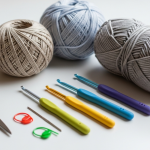
Before listing your first item, gather these essential tools:
- Business Basics:
- Separate email for shop communications
- Simple accounting spreadsheet (or free app like Wave)
- Business name (even if it’s just your name + “Handmade”)
- Production Supplies:
- Consistent yarn sources (buy in bulk when possible)
- Quality hooks and notions (avoid splitting yarn with dull tools)
- Labels or tags (woven, printed, or hand-stamped)
- Digital Assets:
- Smartphone with good camera (natural light is key)
- Plain backdrop (white poster board or neutral fabric)
- Free editing apps (Snapseed, Canva)
- Platform Requirements:
- Etsy seller account (or Shopify, Big Cartel, etc.)
- PayPal or Stripe for payments
- Shipping scale and printer (for labels)
Having these ready prevents last-minute scrambles and ensures a polished launch.
Yarn Types and Fiber Considerations
Your yarn choices directly impact customer satisfaction and return rates. Always prioritize function over aesthetics:
- Baby Items: Use hypoallergenic, machine-washable fibers like 100% cotton or Oeko-Tex certified acrylic. Avoid mohair or wool that may irritate sensitive skin.
- Wearables (Hats, Scarves): Choose durable, pill-resistant yarns. Acrylic-wool blends offer warmth without itchiness.
- Home Décor (Blankets, Pillows): Opt for tightly spun worsted or bulky yarns that withstand frequent use.
- Amigurumi/Toys: Use non-pilling, tightly stitched acrylic. Ensure safety eyes are securely attached or embroider features instead.
Pro tip: Keep a “production log” noting which yarns perform best after washing. One seller I advised switched from a cheap acrylic to WeCrochet Brava—and saw her return rate drop from 8% to 1%.
Skill Level Breakdown (Beginner / Intermediate / Advanced)
Your technical skill should match your product complexity:
Beginner
- Best Products: Simple beanies, dishcloths, basic scarves, single-color amigurumi.
- Why: Minimal shaping, consistent tension, fast turnaround.
- Avoid: Garments with complex sizing or multi-strand colorwork.
Intermediate
- Ready For: Sweaters with set-in sleeves, granny square blankets, textured stitch accessories.
- Focus: Accurate sizing, consistent gauge, professional finishing.
Advanced
- Can Offer: Custom-fit garments, lace shawls, intricate colorwork, adaptive designs.
- Opportunity: Premium pricing and commissions.
Never overpromise. A beginner attempting a tailored cardigan may deliver inconsistent results—damaging your reputation before it starts.
Step-by-Step Guide to Selling Crochet Items Online
Follow this 10-step system to launch confidently:
Step 1: Define Your Niche
Ask:
- What do I love making most?
- Who needs it? (e.g., eco-conscious parents, pet lovers, bridesmaids)
- What problem does it solve? (e.g., “soft, washable baby blankets for sensitive skin”)
Avoid “everything for everyone.” A focused niche attracts loyal customers.
Step 2: Research Your Market
- Search Etsy for similar items. Note:
- Price range
- Best-selling features (e.g., “personalized,” “organic cotton”)
- Common complaints in reviews (“too small,” “pills after wash”)
- Identify gaps you can fill.
Step 3: Calculate True Costs

Include:
- Yarn + notions
- Time (pay yourself at least $10–$15/hour)
- Platform fees (Etsy: ~6.5% + payment processing)
- Packaging + shipping
- Taxes (set aside 25–30%)
Formula: (Materials + Labor) × 2 = Wholesale → × 2 = Retail
Example: $5 materials + $10 labor = $15 → $30 retail price.
Step 4: Create a Small Product Line
Start with 3–5 cohesive items (e.g., beanie + mittens + scarf). This builds a recognizable brand faster than random listings.
Step 5: Take Professional Photos
- Shoot in natural daylight (near a window).
- Show:
- Full item on neutral background
- Close-up of texture/stitch
- Item in use (e.g., worn, styled)
- Edit for brightness only—no filters.
Step 6: Write Compelling Listings
- Title: Include keywords (“Handmade Crochet Beanie – Soft Winter Hat – Gender Neutral”)
- Description: Tell a story + list specs (fiber, care, size)
- Tags: Use all 13 Etsy tags (e.g., “crochet gift,” “machine washable hat”)
Step 7: Set Clear Policies
State:
- Production time (e.g., “Ships in 3–5 business days”)
- Return/exchange policy
- Customization options (if any)
Step 8: Launch with a Soft Opening
Share with friends/family first. Ask for honest feedback and initial reviews.
Step 9: Promote Authentically
- Post behind-the-scenes content on Instagram Reels
- Join relevant Facebook groups (follow rules—no spam!)
- Offer a small discount for first-time buyers
Step 10: Track and Iterate
After 10 sales, review:
- Which item sold fastest?
- What questions did buyers ask?
- Where did traffic come from?
Use insights to refine your next batch.
Common Mistakes and How to Avoid Them
Even passionate sellers stumble. Here’s how to stay on track:
Mistake 1: Underpricing
Giving away hours of labor for $5 discourages sustainability.
✅ Fix: Use the cost formula above. Remember: your time has value.
Mistake 2: Ignoring Shipping Realities
Free shipping sounds generous—but eats profits.
✅ Fix: Build shipping into price (“Free shipping” = higher item cost).
Mistake 3: Poor Photo Quality
Blurry or dark photos signal amateurism.
✅ Fix: Use natural light + clean background. No selfies!
Mistake 4: Overpromising Turnaround
Saying “ships tomorrow” then taking a week damages trust.
✅ Fix: Under-promise, over-deliver. Add buffer days.
Mistake 5: Skipping Legal Basics
Not collecting sales tax (where required) risks penalties.
✅ Fix: Use Etsy’s auto-tax feature or consult a local accountant.
Mistake 6: Selling Copyrighted Designs
Making Disney-themed amigurumi without a license = legal risk.
✅ Fix: Stick to original designs or licensed patterns with resale rights.
Advanced Tips and Professional Insights
Go beyond basics with these proven strategies:
Tip 1: Bundle for Higher Value
Offer “Beanie + Scarf Set” at 10% off. Increases average order value without extra marketing.
Tip 2: Use Evergreen Content
Create one high-quality YouTube video (“How I Make My Best-Selling Beanie”)—it drives traffic for years.
Tip 3: Collect Emails Early
Add a simple Mailchimp signup to your shop: “Get 10% off your first order.” Builds direct audience.
Tip 4: Prioritize Repeat Buyers
Include a thank-you note + discount code for next purchase. Loyal customers are 5x more valuable than new ones.
Tip 5: Track Your “Profit per Hour”
Not all items are worth making. If a $30 item takes 4 hours, that’s $7.50/hour—below minimum wage. Focus on efficient designs.
From working with multiple crochet brands, I’ve seen shops double revenue simply by discontinuing low-margin items and doubling down on bestsellers.
Real-World or Hypothetical Examples
Consider Maya, a stay-at-home mom who started selling crochet baby hats on Etsy. Her first listings had phone-flash photos and vague descriptions like “cute hat.” She sold 2 items in 3 months.
She pivoted:
- Researched top-selling baby hats
- Switched to organic cotton yarn
- Took bright, styled photos with a baby mannequin
- Added clear size chart and care instructions
Result? 50 sales in the next 60 days, with 4.9-star reviews praising “softness” and “perfect fit.”
Another example: Liam, a college student, sold amigurumi monsters. He included a QR code linking to a care video (“How to Wash Your Crochet Friend”). Customers loved the extra touch—and shared his shop widely. His sales grew 200% in one semester.
These stories show that small, intentional changes create big results.
Customization and Adaptation Ideas
Stand out by offering thoughtful personalization:
- Color Choices: Let buyers pick from 3–5 curated palettes
- Sizing Options: Offer S/M/L with actual measurements
- Monogramming: Add initials with surface crochet (charge $2–$5 extra)
- Seasonal Themes: Pumpkin hats in fall, pastel bunnies in spring
Experienced designers often recommend limiting customization to avoid production chaos. Offer 2–3 options max per item.
Care, Maintenance, or Best Practices
Protect your reputation with consistent quality:
- Wash Test Every New Design: Ensure colors don’t bleed and shape holds.
- Package Thoughtfully: Use compostable mailers + tissue paper. First impressions matter.
- Respond Promptly: Aim for <24-hour reply time to messages.
- Update Listings: If yarn is discontinued, update description—not just notes to buyer.
For sellers: Always include a care instruction card. It reduces “why did it shrink?” messages and shows professionalism.
Monetization Opportunities
Beyond direct sales, explore these ethical income streams:
- Pattern Sales: Turn bestsellers into PDF patterns (sell on Etsy or Ravelry).
- Workshops: Host virtual “Make-Along” classes for your popular items.
- Subscription Boxes: Offer monthly crochet kits with exclusive designs.
- Affiliate Links: Recommend your favorite yarns/tools in blog posts.
- Custom Commissions: Charge 20–30% more for bespoke requests.
In many crochet businesses, digital products (patterns, courses) eventually surpass physical sales in profit margin—while requiring less inventory.
Frequently Asked Questions (FAQ)
How much should I charge for my crochet items?
Use this formula: (Yarn cost + Notions) + (Hours × $12–$20) = Base Price. Then add platform fees and shipping. Never price below cost.
Do I need a business license to sell crochet online?
It depends on your location. In the U.S., most states require a business license if you’re earning consistent income. Check your city/county rules.
Can I sell items made from someone else’s pattern?
Most indie designers allow it (check their terms!), but you cannot resell the pattern itself. Always credit the designer in listings.
What’s the best platform for beginners?
Etsy is ideal—it’s built for handmade goods, handles payments/tax, and has built-in traffic. Alternatives: Shopify (more control), Instagram Shop (for visual appeal).
How do I handle custom orders?
Require a 50% deposit upfront. Use a simple contract (free templates online) outlining design, timeline, and revision limits.
Should I offer free shipping?
Yes—but bake the cost into your price. Customers prefer “free shipping” over lower item prices with added shipping.
Conclusion
Selling crochet items online is more than a side hustle—it’s a way to share your art, connect with appreciative customers, and build something meaningful. But success doesn’t come from luck; it comes from preparation, respect for your craft, and genuine care for your buyers.
Start small. Master one product. Learn from every sale. And remember: every big handmade brand began with a single listing, a single stitch, and the courage to hit “publish.” You’ve got the skills. Now go share them with the world—one beautifully crafted piece at a time.

Helena Nogueira é uma entusiasta do crochê e do artesanato, explorando novas técnicas e projetos em busca de criações únicas e cheias de personalidade. Apaixonada por criatividade e desenvolvimento pessoal, ela alia dedicação e curiosidade para transformar fios em arte, cultivando hábitos que impulsionam seu crescimento enquanto compartilha beleza e inspiração com quem valoriza o feito à mão.