Introduction
Choosing the right yarn is one of the most impactful decisions a crocheter or knitter can make. It affects not only how a project feels and drapes but also how it wears over time, responds to washing, and aligns with your values. At the heart of this choice lies a fundamental question: natural vs synthetic yarn fibers—which is better for your project, your customer, and your brand?
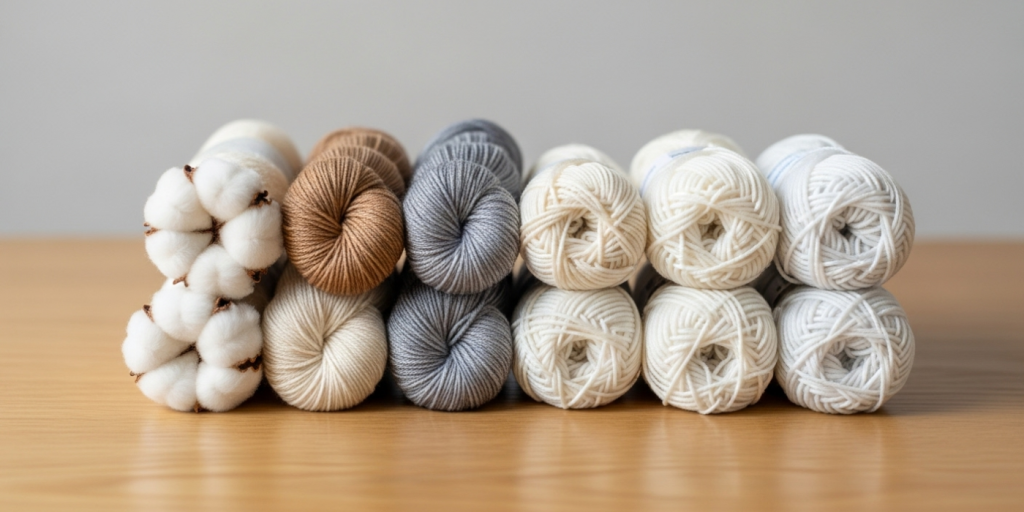
Natural fibers like wool, cotton, and silk come from plants or animals and offer breathability, biodegradability, and rich texture. Synthetic fibers like acrylic, nylon, and polyester are human-made, offering affordability, colorfastness, and consistent performance. But the reality isn’t binary. Many modern yarns blend both, creating hybrids that balance pros and cons.
In this comprehensive guide, you’ll gain a practical, experience-based understanding of how each fiber type behaves in real-world crafting scenarios. Whether you’re making baby blankets, selling hand-knit sweaters, or designing eco-conscious patterns, this knowledge will help you select materials with confidence—and communicate their value clearly to your audience.
What This Topic Means for Crochet & Knitting Businesses
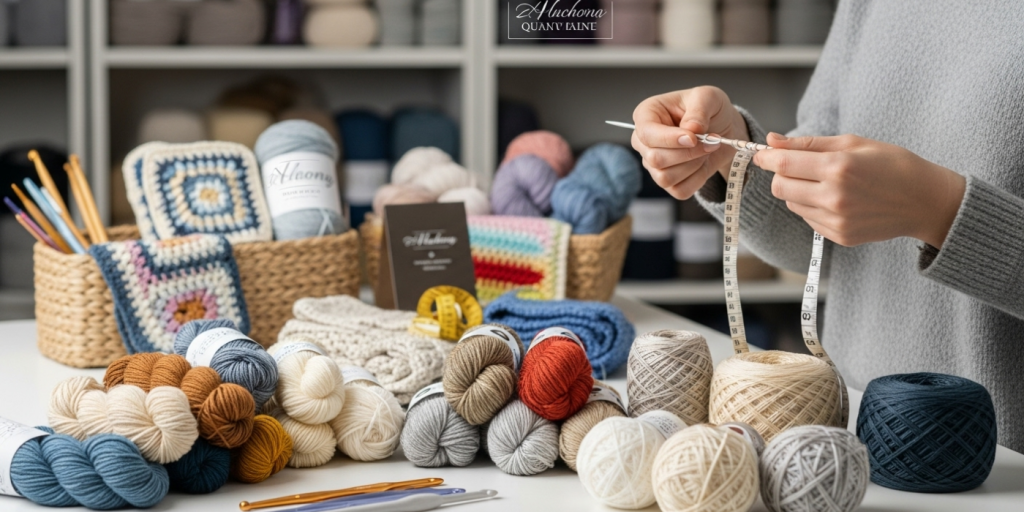
For handmade businesses, yarn choice directly influences product quality, pricing, customer satisfaction, and brand identity. A luxury scarf made from merino wool commands a higher price than one in acrylic—but only if the customer understands why. Conversely, a durable, machine-washable acrylic blanket may be the perfect solution for a busy parent, even if it’s not “natural.”
From working with multiple crochet brands over the past 12 years, I’ve seen how transparent fiber education builds trust. Customers increasingly ask: “Is this yarn sustainable?” “Will it pill?” “Can I wash it with my kids’ clothes?” Brands that answer these questions proactively—through product descriptions, care tags, or blog content—see fewer returns and stronger loyalty.
Moreover, sourcing decisions impact your supply chain. Natural fibers often come from smaller farms or ethical cooperatives (supporting storytelling and marketing), while synthetics offer reliable inventory and lower costs—critical for scaling. Understanding the natural vs synthetic yarn fibers landscape helps you align material choices with your business model, whether you prioritize eco-values, accessibility, or performance.
Why This Strategy Works Especially Well in the Crochet Community
The fiber debate resonates deeply in the handmade world because crafters care about more than just aesthetics—they care about impact. Many choose crochet and knitting as mindful, slow-fashion alternatives to fast retail. For them, fiber origin matters.
Experienced designers often recommend teaching fiber literacy alongside stitch techniques. Why? Because a beginner who learns early that cotton lacks memory (and thus stretches) will avoid using it for socks. An intermediate maker who understands that superwash wool sacrifices some warmth for convenience can make informed trade-offs.
Additionally, the rise of indie dyers, farm-to-needle initiatives, and circular fashion has elevated natural fibers in the community. Yet synthetics remain essential for allergy-sensitive clients, budget-conscious students, or projects requiring extreme durability (like pet beds or car seat covers). The crochet community thrives on inclusivity—both in people and materials—and a nuanced understanding of natural vs synthetic yarn fibers supports that ethos.
Materials, Tools, or Resources Needed
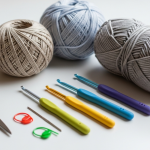
To evaluate and work effectively with different fibers, gather these tools:
- Yarn labels: Always check fiber content, yardage, and care instructions.
- Swatch notebook: Record drape, stitch definition, and blocking results per fiber.
- Washing machine + dryer: Test real-world care (use mesh bags for protection).
- Magnifying glass or macro lens: Observe fiber structure and twist.
- pH-neutral wool wash: Essential for caring for protein fibers.
- Digital scale: Weigh leftover yarn to calculate true yardage usage.
- Fiber identification chart: Helps distinguish unknown yarns by burn test or feel (use cautiously and safely).
Optional but insightful:
- Visit local farms or mills (many offer tours)
- Attend fiber festivals to sample rare breeds
- Subscribe to yarn review blogs or YouTube channels
Yarn Types and Fiber Considerations
Natural Fibers
Protein-Based (Animal Origin):
- Wool (sheep): Elastic, warm, moisture-wicking. Can felt if agitated. Ideal for sweaters, hats, mittens.
- Merino: Ultra-soft, fine micron count. Great for next-to-skin wear.
- Alpaca: Silky, warmer than wool, but less elastic. Prone to stretching.
- Mohair: Fuzzy halo, lightweight, blends well. Not ideal for high-detail stitches.
- Silk: Lustrous, strong, excellent drape. Expensive; best for shawls or special garments.
Cellulose-Based (Plant Origin):
- Cotton: Breathable, absorbent, inelastic. Perfect for dishcloths, summer tops, baby items.
- Organic Cotton: Grown without pesticides; softer but often pricier.
- Linen: Strong, gets softer with washing, minimal stretch. Excellent for structured bags or warm-weather wear.
- Hemp/Bamboo: Eco-friendly, antimicrobial. Bamboo can be overly drapey; hemp is crisp.
Synthetic Fibers
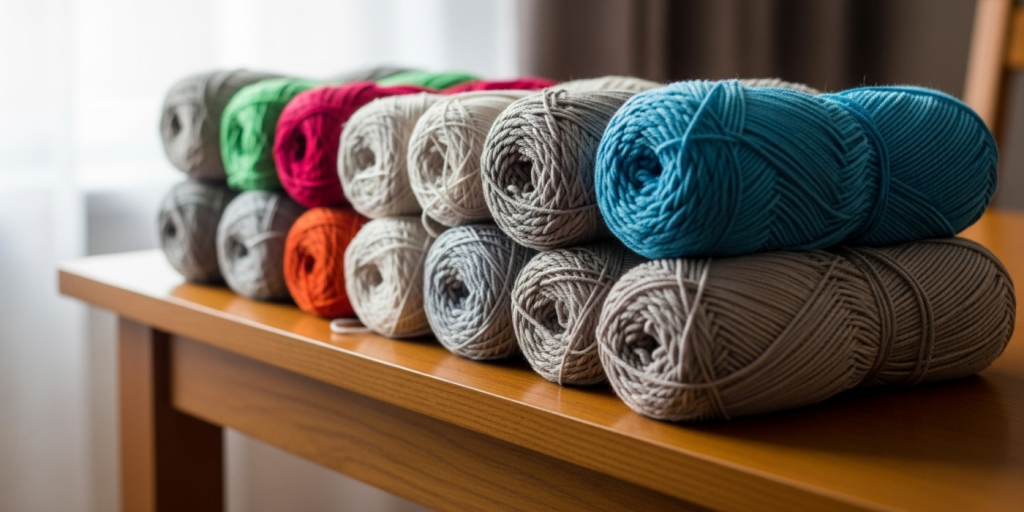
- Acrylic: Affordable, colorfast, machine-washable. Lacks breathability; can pill. Widely used in charity projects and beginner kits.
- Nylon: Strong, elastic, often blended (e.g., sock yarn). Adds durability.
- Polyester: Resistant to wrinkles and shrinking. Often used in novelty or metallic yarns.
- Rayon/Viscose: Semi-synthetic (from wood pulp). Silky drape but weak when wet. Handle with care.
Blends
Most commercial yarns combine fibers to balance traits:
- Wool/Acrylic (80/20): Softness + affordability
- Cotton/Bamboo (50/50): Absorbency + drape
- Merino/Nylon (75/25): Warmth + sock durability
Always consider the dominant fiber—it drives behavior.
Skill Level Breakdown
Beginner
Focus on:
- Recognizing basic fiber types on labels
- Using acrylic or cotton for practice (affordable, forgiving)
- Avoiding delicate fibers (silk, mohair) until tension is consistent
Beginners benefit from clear, predictable fibers that don’t hide mistakes.
Intermediate
Ready to explore:
- How fiber affects gauge and drape
- Blocking differences (wool vs. cotton)
- Substituting yarns within the same fiber family
This level learns to match fiber to project function.
Advanced
Masters understand:
- Micron counts, staple length, and twist direction
- Ethical sourcing and environmental impact
- Custom blending or spinning for unique textures
Advanced makers often develop signature fiber preferences that define their aesthetic.
Step-by-Step Guide to Choosing Between Natural and Synthetic Yarn Fibers
Step 1: Define Your Project’s Purpose
Ask:
- Will it touch skin? → Prioritize softness (merino, bamboo, premium acrylic)
- Will it be washed frequently? → Choose machine-washable (acrylic, superwash wool, cotton)
- Is drape important? → Silk, rayon, linen
- Does it need structure? → Wool, cotton, or tightly spun synthetics
Example: A baby blanket needs softness, washability, and hypoallergenic properties → organic cotton or anti-pilling acrylic.
Step 2: Consider the End User
- Allergies: Some react to lanolin in wool; use cotton or acrylic.
- Climate: Wool for cold, cotton/linen for hot.
- Lifestyle: Busy parents prefer synthetics; eco-conscious buyers seek natural.
Step 3: Swatch and Test
Crochet a 6″x6″ swatch in your chosen stitch pattern. Then:
- Wash and dry it as you would the finished item
- Measure gauge before and after
- Assess pilling, stretching, or fading
This reveals real-world behavior no label can predict.
Step 4: Evaluate Cost vs. Value
Natural fibers often cost more per yard—but may last longer or justify premium pricing. Calculate:
Cost per finished item = (Yarn price ÷ total yards) × yards used
A $25 skein of wool might yield one hat, while $5 acrylic yields three—but which sells for $45 vs. $20?
Step 5: Check Sustainability Claims
“Natural” doesn’t always mean eco-friendly (conventional cotton uses heavy pesticides). Look for:
- GOTS certification (organic textiles)
- Responsible Wool Standard (RWS)
- Recycled content (e.g., Repreve® polyester)
Avoid greenwashing—research brands beyond marketing language.
Step 6: Make the Final Selection
Choose based on:
- Performance needs
- Budget
- Ethical alignment
- Aesthetic goals
Document your choice for future reference or customer FAQs.
Common Mistakes and How to Avoid Them
1. Assuming “Natural = Better”
Mistake: Using untreated wool for a dishcloth → felts in the wash.
Fix: Match fiber to function. Synthetics excel in high-moisture, high-abrasion uses.
2. Ignoring Care Requirements
Mistake: Gifting a hand-dyed silk shawl without care instructions → ruined in the dryer.
Fix: Always include a care tag or note. Educate your customers.
3. Substituting Without Swatching
Mistake: Replacing wool with acrylic in a lace shawl → lost drape and definition.
Fix: Swatch any substitution, even within the same weight category.
4. Overlooking Blends
Mistake: Dismissing all acrylic as “cheap.”
Fix: High-quality acrylics (e.g., Lion Brand Feels Like Butta, Paintbox) mimic natural fibers beautifully.
5. Not Considering Dye Behavior
Mistake: Using plant-dyed cotton for a sun-exposed curtain → fades quickly.
Fix: Synthetics hold color better in UV exposure; natural dyes suit indoor items.
Advanced Tips and Professional Insights
After sourcing yarns for collections, consulting with indie dyers, and analyzing customer feedback, here’s what I’ve learned:
1. Seasonal Fiber Rotation
Use wool/alpaca in fall/winter lines; switch to linen/cotton in spring/summer. This keeps inventory fresh and relevant.
2. Layer Information for Customers
On product pages, go beyond “100% cotton.” Add:
- “Ideal for sensitive skin”
- “Machine wash cold, lay flat to dry”
- “Grown without synthetic pesticides”
Transparency reduces support queries.
3. Test Long-Term Wear
Wear or use your own samples for weeks. Does the acrylic sweater pill under a backpack? Does the linen bag soften nicely? Real-life testing beats lab specs.
4. Build Relationships with Mills
Many small-batch natural yarn producers offer wholesale or custom dye lots. This lets you create exclusive colors tied to your brand story.
5. Educate Through Content
Blog posts like “Why We Chose Tencel™ for Our Summer Collection” position you as an expert—not just a seller.
Real-World or Hypothetical Examples
Take “Wildroot Fibers,” a hypothetical handmade brand specializing in eco-luxury accessories. They use GOTS-certified organic cotton for baby beanies and RWS merino for adult cowls. Their website includes a “Fiber Journal” explaining why they avoid conventional acrylic—yet they offer a recycled polyester option for vegan customers. Result? A loyal, values-driven audience willing to pay 30% more for transparency.
Or consider a maker donating blankets to hospitals. She chooses anti-pilling, Oeko-Tex certified acrylic—not because it’s “premium,” but because it withstands industrial laundering and won’t irritate fragile skin. Her choice reflects deep understanding of context over dogma.
In many crochet businesses, success comes not from rigidly favoring natural or synthetic—but from choosing the right fiber for the right purpose.
Customization and Adaptation Ideas
Once you understand fiber properties, get creative:
- Blend Your Own: Hold two strands together (e.g., mohair + silk for halo + strength).
- Seasonal Swaps: Offer the same pattern in wool (winter) and bamboo (summer).
- Allergy-Friendly Lines: Create a “Sensitive Skin” collection using only plant-based or hypoallergenic synthetics.
- Upcycled Projects: Use thrifted sweaters (often wool) to re-spin or felt into new items.
- Local Sourcing: Partner with regional sheep farms for hyper-local yarn—great for storytelling.
Remember: customization starts with fiber awareness.
Care, Maintenance, or Best Practices
Proper care preserves both fiber integrity and customer satisfaction:
Natural Fibers:
- Wool/Silk: Hand-wash in cool water with pH-neutral soap. Never wring. Lay flat to dry.
- Cotton/Linen: Machine-washable but may shrink. Pre-wash yarn if possible.
- Storage: Use cedar blocks (not mothballs) to deter pests. Fold, don’t hang.
Synthetic Fibers:
- Acrylic/Polyester: Machine-wash and dry on low. Avoid high heat—it can melt fibers.
- Pilling: Use a fabric shaver to restore appearance.
- Static: Add white vinegar to rinse cycle or use anti-static spray.
For sellers: Include a printed care card with every order. It’s a small touch that prevents damage and builds professionalism.
Monetization Opportunities
Deep fiber knowledge creates multiple revenue streams:
- Curated Yarn Kits: Bundle patterns with perfectly matched yarn (e.g., “Linen Market Bag Kit”).
- Educational Content: Sell guides like “Fiber Foundations for Handmade Brands” or host live Q&As.
- Custom Sourcing Services: Help clients find vegan, organic, or local yarns for commissions.
- Subscription Boxes: Feature a “Fiber of the Month” with samples and project ideas.
- Wholesale Partnerships: Become a trusted retailer for ethical yarn brands—earn margin while promoting values.
Key: Position yourself as a guide, not just a vendor. “Confused about yarn choices? Let me help” builds authority and trust.
Frequently Asked Questions (FAQ)
1. Are natural yarns always more sustainable than synthetic?
Not necessarily. Conventional cotton uses vast water and pesticides, while recycled polyester reduces plastic waste. Look at certifications and full lifecycle—not just origin.
2. Which fiber is best for baby items?
Organic cotton, bamboo, or Oeko-Tex certified acrylic. Avoid scratchy wools or loose-fiber mohair that could shed near infants.
3. Does acrylic really “melt”?
Yes—under high heat (like a hot dryer or iron). Always follow care labels. Newer premium acrylics are more heat-resistant.
4. Can I mix natural and synthetic yarns in one project?
Yes, but swatch first. They may behave differently when washed (e.g., wool shrinks, acrylic doesn’t), causing distortion.
5. Why does my cotton project stretch out?
Cotton lacks elasticity. To combat this, use a tighter gauge, add a nylon blend, or line the item with fabric.
6. How do I identify an unknown yarn fiber?
Perform a cautious burn test (in a safe, ventilated area):
- Wool: Smells like hair, self-extinguishes, leaves brittle ash.
- Cotton: Burns quickly, smells like paper, gray ash.
- Acrylic: Melts, black smoke, hard plastic bead.
(Note: Only do this with scraps and proper safety measures.)
Conclusion
Understanding the differences between natural vs synthetic yarn fibers is not about declaring a winner—it’s about making intentional, informed choices that serve your craft, your customers, and your values. Each fiber brings unique strengths to the hook or needle, and the most skilled makers know how to harness them wisely.
Whether you’re drawn to the earthy authenticity of alpaca or the practical resilience of acrylic, your power lies in knowledge. Use this guide to swatch boldly, substitute confidently, and communicate clearly. And remember: the best yarn isn’t the most expensive or the “purest”—it’s the one that fulfills its purpose beautifully, season after season.
So the next time you stand before a wall of yarn, don’t just pick a color. Ask: Who will wear this? How will it be used? What story do I want this fiber to tell? With those answers, you’ll always choose well.

Helena Nogueira é uma entusiasta do crochê e do artesanato, explorando novas técnicas e projetos em busca de criações únicas e cheias de personalidade. Apaixonada por criatividade e desenvolvimento pessoal, ela alia dedicação e curiosidade para transformar fios em arte, cultivando hábitos que impulsionam seu crescimento enquanto compartilha beleza e inspiração com quem valoriza o feito à mão.