Introduction
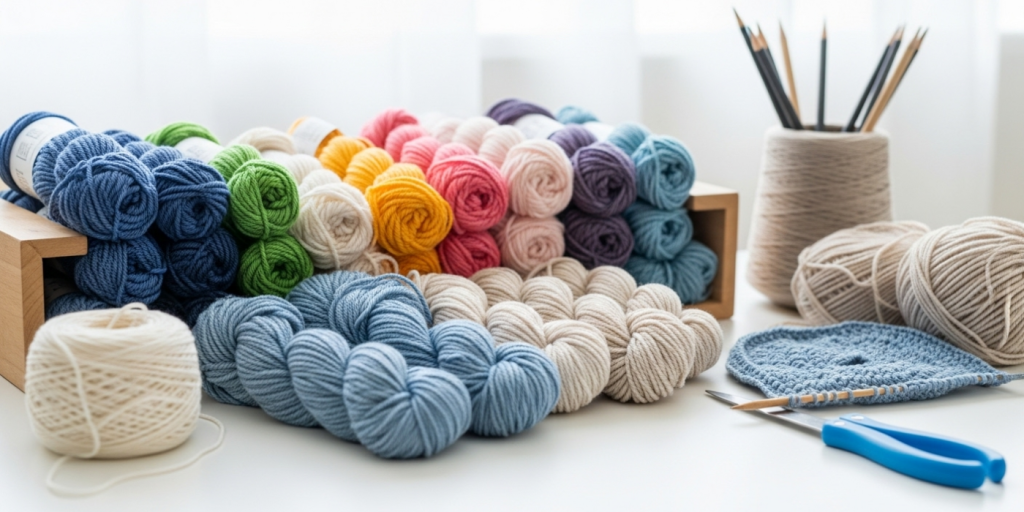
Choosing the right yarn is just as critical as selecting the right stitch or pattern. The phrase yarn types for crochet and knitting projects encompasses far more than color or softness—it involves understanding fiber content, weight categories, twist direction, drape, elasticity, and care requirements. A mismatched yarn can turn a beautifully written pattern into a sagging, pilling, or overly stiff disappointment. Conversely, the perfect yarn elevates even simple stitches into heirloom-quality pieces. This comprehensive guide breaks down every major yarn type by fiber, weight, and application, offering practical insights so you can confidently select, substitute, and work with any yarn—whether you’re making baby booties, winter sweaters, market-ready accessories, or home décor. With real-world examples and expert-backed recommendations, this resource will become your go-to reference for all future fiber decisions.
What This Topic Means for Crochet & Knitting Businesses
In the handmade economy, yarn choice directly impacts product quality, customer satisfaction, and brand reputation. In many crochet businesses, inconsistent yarn selection has led to returns, negative reviews, or damaged credibility—especially when sellers substitute fibers without understanding performance differences. For example, using acrylic instead of cotton for dishcloths may result in poor absorbency and rapid wear, frustrating buyers who expect functional durability.
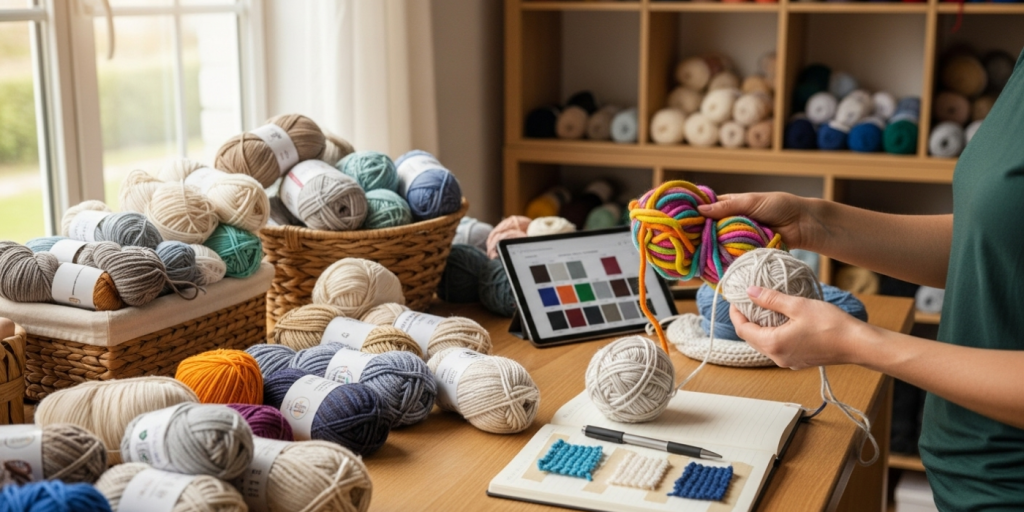
Experienced designers often recommend building a “core yarn library” of 5–7 trusted bases that align with your brand’s aesthetic and values—such as organic cotton for eco-conscious lines or superwash merino for low-maintenance garments. From working with multiple crochet brands, I’ve observed that shops that educate customers about their yarn choices (e.g., “Why we use Tencel™ for summer shawls”) enjoy higher trust and repeat purchases.
Moreover, accurate yarn labeling—including fiber content, yardage, and care instructions—is not just ethical; it’s essential for compliance on platforms like Etsy and Amazon Handmade. Misrepresenting a blend as 100% wool, for instance, can trigger disputes or policy violations.
Why This Strategy Works Especially Well in the Crochet Community
The fiber craft community is deeply curious about materials. Unlike fast fashion consumers, handcrafters want to know what they’re working with and why it behaves a certain way. When you master yarn types, you join a conversation that spans sustainability, heritage techniques, textile science, and personal expression.
Social media amplifies this knowledge-sharing. A Reel comparing how three yarns drape in the same lace pattern can go viral because it solves a real dilemma. Similarly, blog posts titled “Best Yarn for Amigurumi That Holds Its Shape” consistently rank well because they address specific, high-intent queries.
Additionally, understanding yarn empowers makers to substitute intelligently—critical when a favorite dye lot is discontinued or a pattern calls for an expensive luxury base. This adaptability keeps projects moving forward and reduces waste, aligning with the growing slow-craft movement.
Materials, Tools, or Resources Needed
To evaluate and work effectively with different yarn types, keep these tools handy:
- Wraps Per Inch (WPI) Tool or Ruler: Measures yarn thickness independently of labels.
- Swatch Notebook: Record fiber, hook/needle size, gauge, drape, and blocking results.
- Fabric Scissors: Sharp blades prevent fraying when cutting test swatches.
- Steamer or Iron (with steam): Essential for testing how fibers react to heat and moisture.
- Magnifying Glass: Helps identify plies, twist direction, and fiber blends.
- Reliable References:
- The Knitter’s Book of Yarn by Clara Parkes
- Craft Yarn Council’s Standard Yarn Weight System
- Ravelry’s yarn database (for user reviews and substitution ideas)
Pro tip: Always buy an extra skein for swatching and potential repairs—especially with hand-dyed or limited-run yarns.
Yarn Types and Fiber Considerations
Yarns fall into two broad categories: natural fibers (from plants or animals) and synthetic/man-made fibers (petroleum- or cellulose-based). Each has distinct properties.
Natural Fibers
Wool
- Properties: Elastic, warm, breathable, felts when agitated.
- Best for: Sweaters, hats, mittens, blankets.
- Varieties: Merino (soft), Shetland (rustic), Corriedale (durable).
- Care: Hand-wash unless labeled “superwash.”
Cotton
- Properties: Absorbent, strong when wet, minimal stretch, can be stiff.
- Best for: Dishcloths, summer tops, baby items, market bags.
- Note: Mercerized cotton has added sheen and strength.
Linen & Hemp
- Properties: Strong, crisp, improves with washing, poor elasticity.
- Best for: Table linens, structured bags, warm-weather garments.
- Tip: Blend with cotton or silk for softer drape.
Silk
- Properties: Luxurious sheen, strong, excellent drape, slippery to work with.
- Best for: Shawls, lace, special occasion wear.
- Caution: Weakens when wet; avoid aggressive blocking.
Alpaca, Mohair, Cashmere
- Properties: Extremely soft, warm, less elastic than wool, prone to stretching.
- Best for: Cowls, scarves, lightweight wraps.
- Advice: Often blended with wool for stability.
Synthetic & Man-Made Fibers
Acrylic
- Properties: Affordable, colorfast, machine-washable, can pill.
- Best for: Beginner projects, charity items, children’s wear.
- Upgrade Tip: Premium acrylics (e.g., Scheepjes Softfun) offer better stitch definition.
Nylon
- Properties: Strong, elastic, often used as reinforcement.
- Common Use: Sock yarn blends (adds durability to heels/toes).
Polyester
- Properties: Wrinkle-resistant, quick-drying, less breathable.
- Use Case: Blended with cotton for reduced shrinkage.
Rayon, Bamboo, Tencel™ (Lyocell)
- Properties: Drapey, silky, cool to touch, weak when wet.
- Best for: Summer shawls, flowy cardigans, drapey cowls.
- Warning: Can stretch irreversibly if blocked too aggressively.
Blends
Most commercial yarns are blends (e.g., 80% wool/20% nylon). These combine benefits—like wool’s warmth with nylon’s strength—while mitigating weaknesses.
Skill Level Breakdown
Understanding yarn types is valuable at every stage:
- Beginner: Focus on worsted-weight acrylic or cotton—forgiving, affordable, and easy to see stitches.
- Intermediate: Experiment with sock yarns, linen blends, or variegated colorways that require tension control.
- Advanced: Work with delicate threads, unplied art yarns, or luxury fibers like qiviut that demand precise handling.
Even experts revisit basics when trying a new fiber—swatching remains non-negotiable at all levels.
Step-by-Step Guide to Choosing the Right Yarn for Any Project
Step 1: Define Project Requirements
Ask:
- Will it be worn next to skin? → Prioritize softness (merino, bamboo).
- Is it functional (e.g., dishcloth)? → Choose absorbent, durable fibers (cotton, linen).
- Does it need to hold shape? → Avoid slippery fibers (silk, rayon); opt for wool or acrylic.
- Will it be washed frequently? → Superwash wool or acrylic wins over untreated wool.
Step 2: Match Yarn Weight to Pattern
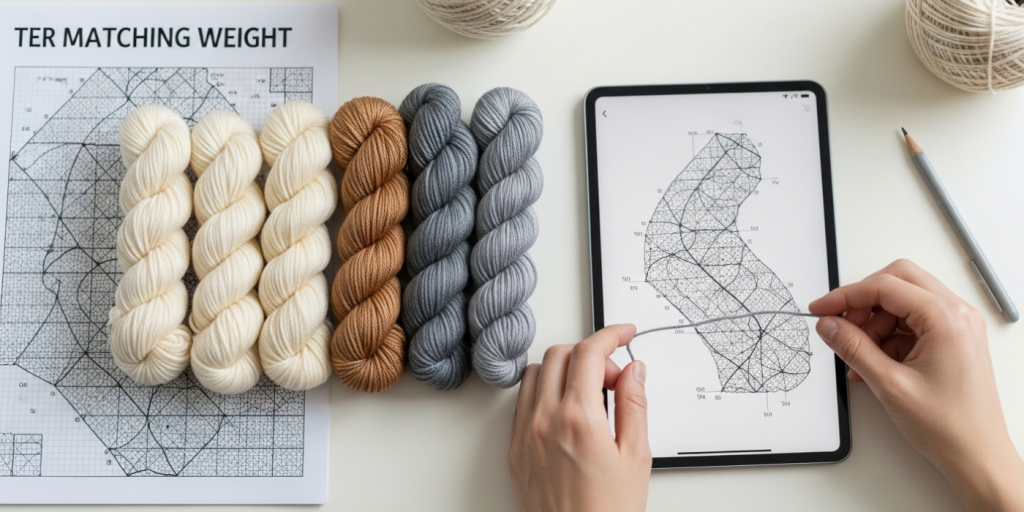
Use the Craft Yarn Council’s standard system:
- Lace (0): Thread-like; for doilies, fine shawls.
- Fingering/Sock (1): Light; socks, baby items.
- Sport (2): Slightly heavier than fingering.
- DK (3): Versatile; lightweight garments.
- Worsted/Aran (4): Most common; afghans, sweaters.
- Bulky (5): Quick projects; cowls, rugs.
- Super Bulky (6): Arm-knitting, thick blankets.
Always check gauge—even within the same weight category, yardage per skein varies widely.
Step 3: Evaluate Ply and Twist
- Tightly twisted yarns (e.g., sock yarn) resist pilling and show stitch definition.
- Loosely spun or single-ply yarns create soft halo (mohair) but can felt or split easily.
- Cabled yarns (multiple plies twisted together) offer durability and bounce.
Step 4: Swatch and Test
- Make a 5″x5″ swatch in the actual stitch pattern.
- Wash and block it exactly as you’ll treat the finished item.
- Measure gauge, check for bleeding, and assess drape.
Step 5: Consider Substitutions
If replacing yarn:
- Match weight first, then fiber content.
- Ensure similar yardage per skein to avoid running short.
- Check Ravelry projects using the original yarn for real-world feedback.
Common Mistakes and How to Avoid Them
- Ignoring Fiber Behavior: Using untreated wool for a baby blanket that requires frequent washing leads to felting. Solution: Choose superwash or cotton.
- Trusting Label Photos Over Reality: Online colors can mislead. Order physical samples or buy from retailers with good return policies.
- Skipping the Swatch: Assuming “worsted weight = 18 sts/4 inches” ignores individual tension and yarn variation. Always swatch.
- Overlooking Yardage: Two “worsted” skeins may contain 100 vs. 210 yards. Calculate total yardage needed, not just skein count.
- Using Slippery Yarn for Amigurumi: Silk or bamboo stretches, causing stuffing to bulge. Stick to cotton or acrylic with tight gauge.
- Blocking Delicate Fibers Aggressively: Stretching wet silk or bamboo can permanently deform fabric. Use gentle steam instead.
Mistakes are learning opportunities—but swatching prevents most of them.
Advanced Tips and Professional Insights
From years of designing and consulting:
- Dye Lots Matter: Even within the same color number, batches vary. Buy all skeins at once for large projects.
- Ply ≠ Weight: A 4-ply yarn can be lace-weight; ply indicates construction, not thickness.
- Eco-Conscious Choices: Look for GOTS-certified cotton, OEKO-TEX® dyes, or recycled fibers (e.g., Re:Blend by We Are Knitters).
- Storage Matters: Keep yarn in breathable cotton bags away from sunlight and moths. Cedar blocks help deter pests.
- Photograph in Natural Light: When selling handmade goods, true-to-life yarn photos build trust and reduce returns.
Experienced designers often recommend keeping a “yarn journal” with swatches, care notes, and project outcomes—this becomes invaluable for client commissions or pattern writing.
Real-World or Hypothetical Examples
Case Study: The Sustainable Baby Brand
A small business switched from conventional acrylic to GOTS-certified organic cotton for its newborn sets. Though cost increased by 20%, customer reviews praised the softness and safety, leading to wholesale inquiries from eco-boutiques. Their transparent “Why Organic Cotton?” page became a top-performing SEO asset.
Hypothetical Scenario: Wedding Shawl Disaster Averted
A maker planned a lace shawl in bamboo for a summer wedding. After swatching, she discovered the fabric stretched 30% when blocked. She switched to a silk-cotton blend with similar drape but better recovery—saving the project and her reputation.
Customization and Adaptation Ideas
- Blend Your Own: Hold two strands of different yarns together (e.g., mohair + wool) for custom texture and weight.
- Gradient Effects: Use ombre or self-striping yarns in simple patterns to let color shine.
- Upcycle Scraps: Combine leftover yarns of similar weight into patchwork blankets or scrappy granny squares.
- Add Texture: Mix smooth and bouclé yarns in alternating rows for visual interest (use same fiber base for consistent care).
Always test compatibility—different fibers may shrink or stretch at different rates.
Care, Maintenance, or Best Practices
Proper care extends the life of your creations:
- Wool (non-superwash): Hand-wash in cold water with wool wash. Lay flat to dry.
- Cotton/Linen: Machine-wash gentle, but expect slight shrinkage. Air dry to preserve shape.
- Silk/Bamboo: Hand-wash in cool water. Never wring—roll in towel to remove moisture.
- Acrylic: Machine-washable, but avoid high heat (can melt fibers).
- Storage: Fold knits; never hang heavy sweaters. Use acid-free tissue paper for long-term storage.
Include a care tag with handmade gifts—it shows professionalism and thoughtfulness.
Monetization Opportunities
Understanding yarn types opens revenue streams:
- Curated Yarn Kits: Pair patterns with perfectly matched yarns (include care instructions and swatch cards).
- Educational Content: Create guides like “Yarn Substitution Masterclass” or “Fiber Deep Dives” for your blog or YouTube.
- Consulting Services: Help indie dyers develop bases suited for specific project types (e.g., “best yarn for textured crochet”).
- Affiliate Partnerships: Recommend trusted yarns with honest reviews; earn commission on sales.
- Workshops: Teach “Choosing Yarn Like a Pro” at local craft stores or online.
Focus on value-driven education—not hype. Your audience will reward your expertise with loyalty.
Frequently Asked Questions (FAQ)
1. What’s the best yarn type for beginners?
Worsted-weight acrylic or cotton in a light solid color. It’s affordable, easy to see stitches, and forgiving.
2. Can I substitute cotton for wool in a sweater pattern?
Only with caution. Cotton lacks wool’s elasticity and memory, so the garment may stretch out. Adjust needle/hook size and consider adding nylon for support.
3. How do I know what yarn weight I have if the label is missing?
Use the wraps per inch (WPI) method: wrap yarn snugly around a ruler for 1 inch. Compare to standard WPI chart (e.g., 9–11 WPI = worsted).
4. Are natural fibers always better than synthetic?
Not necessarily. Acrylic excels in durability and affordability; wool may irritate sensitive skin. Choose based on project needs, not ideology.
5. Why does my yarn split while crocheting?
Low-twist or loosely spun yarns are prone to splitting. Use a blunt-tipped hook and avoid “stabbing” the yarn—glide between plies.
6. What yarn is best for amigurumi?
Smooth, tightly spun cotton or premium acrylic in worsted weight. It holds tight stitches, shows detail, and is easy to clean.
Conclusion
Mastering yarn types for crochet and knitting projects transforms you from a pattern follower into an intentional creator. With this knowledge, you can troubleshoot issues before they arise, substitute confidently, and match every fiber to its ideal purpose. Whether you’re crafting for comfort, commerce, or creativity, the right yarn is your silent partner—supporting structure, enhancing beauty, and ensuring longevity.
Start your next project with a swatch. Read the label closely. Consider the end use. And remember: every skein tells a story. By understanding its language, you honor both the craft and the hands that made it possible. Now go choose wisely—and make something wonderful.

Helena Nogueira é uma entusiasta do crochê e do artesanato, explorando novas técnicas e projetos em busca de criações únicas e cheias de personalidade. Apaixonada por criatividade e desenvolvimento pessoal, ela alia dedicação e curiosidade para transformar fios em arte, cultivando hábitos que impulsionam seu crescimento enquanto compartilha beleza e inspiração com quem valoriza o feito à mão.